Modern possession football: It’s about moving the opponent
In today’s game, possession football is no longer just an aesthetic choice — it’s a core strategic tool that often separates great teams from average ones. It has become a sophisticated tactical weapon, used to control the rhythm of play, create space, and force the opponent into uncomfortable decisions.
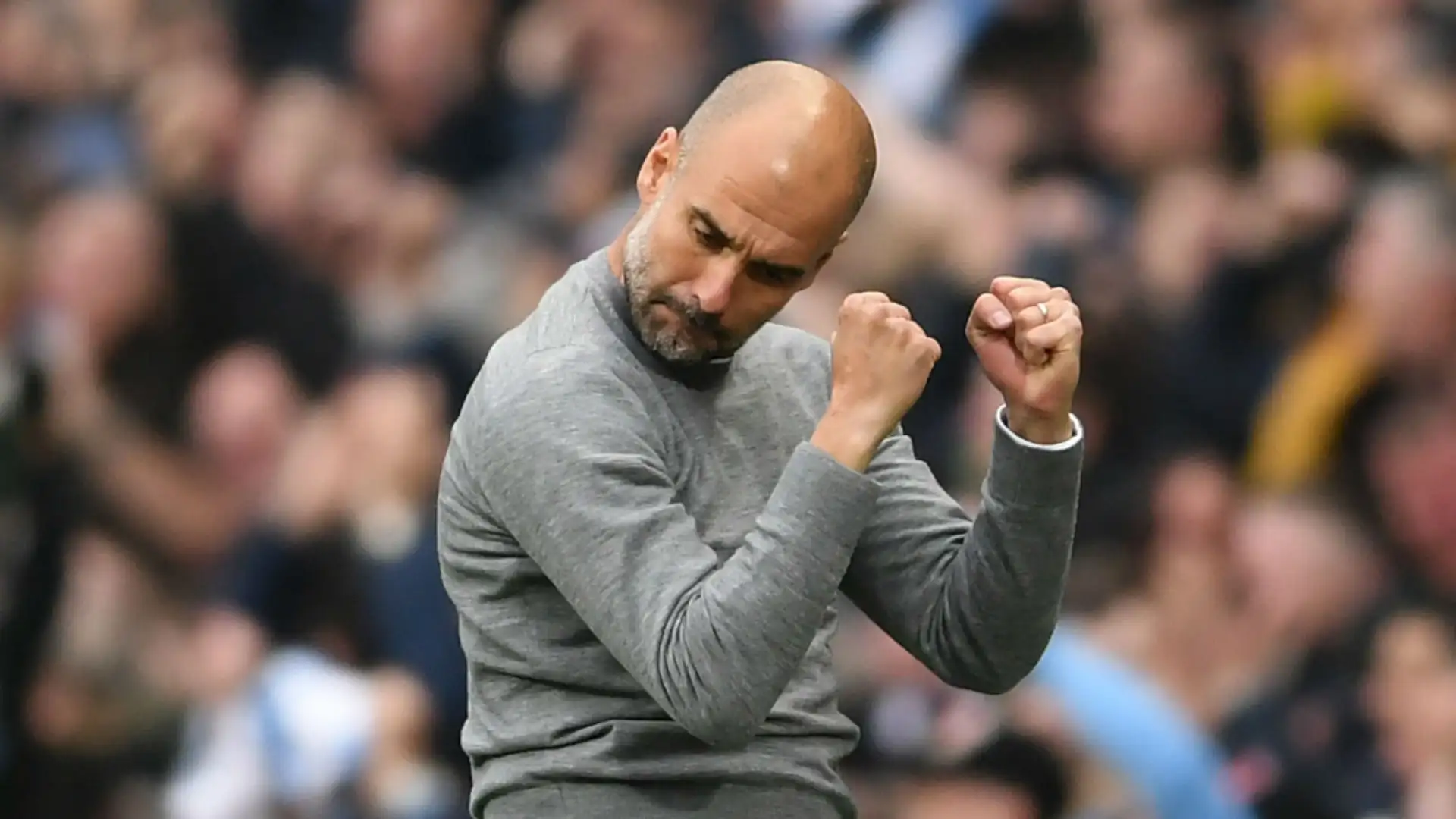
Few understand this better than Pep Guardiola, one of the most influential coaches in modern football. His quote:
“The intention is not to move the ball, but to move the opponent.”
captures the essence of a philosophy where the ball is not the goal — it’s the tool.
What does this really mean?
When a team circulates the ball continuously, the aim isn’t just to keep possession or run down the clock. The true purpose is to provoke movement in the opponent's defensive lines, to create imbalances, to draw pressure into one area and exploit space in another.
It’s a kind of tactical hypnosis — inviting the opponent to misstep, overcommit, or break their structure without even realizing it.
A lesson for coaches at any level
This principle applies not only to elite football but also to youth and grassroots coaching:
-
Teach your players to see passes as tactical messages, not just transitions forward.
-
Design possession sequences with the final aim of space creation, not just territorial gain.
-
Emphasize that football isn’t just about running — it’s about thinking. Where and why you pass determines how your opponent reacts.
Conclusion: Control the opponent, not just the ball
Through this approach, Pep Guardiola shows us that mastery in football is not about dominating the ball — it’s about influencing the opponent.
And the key to that control is not force.
It’s intelligence.
🧠 Train the mind, not just the body. Possession is a tactic, not a statistic.