
Football tactics
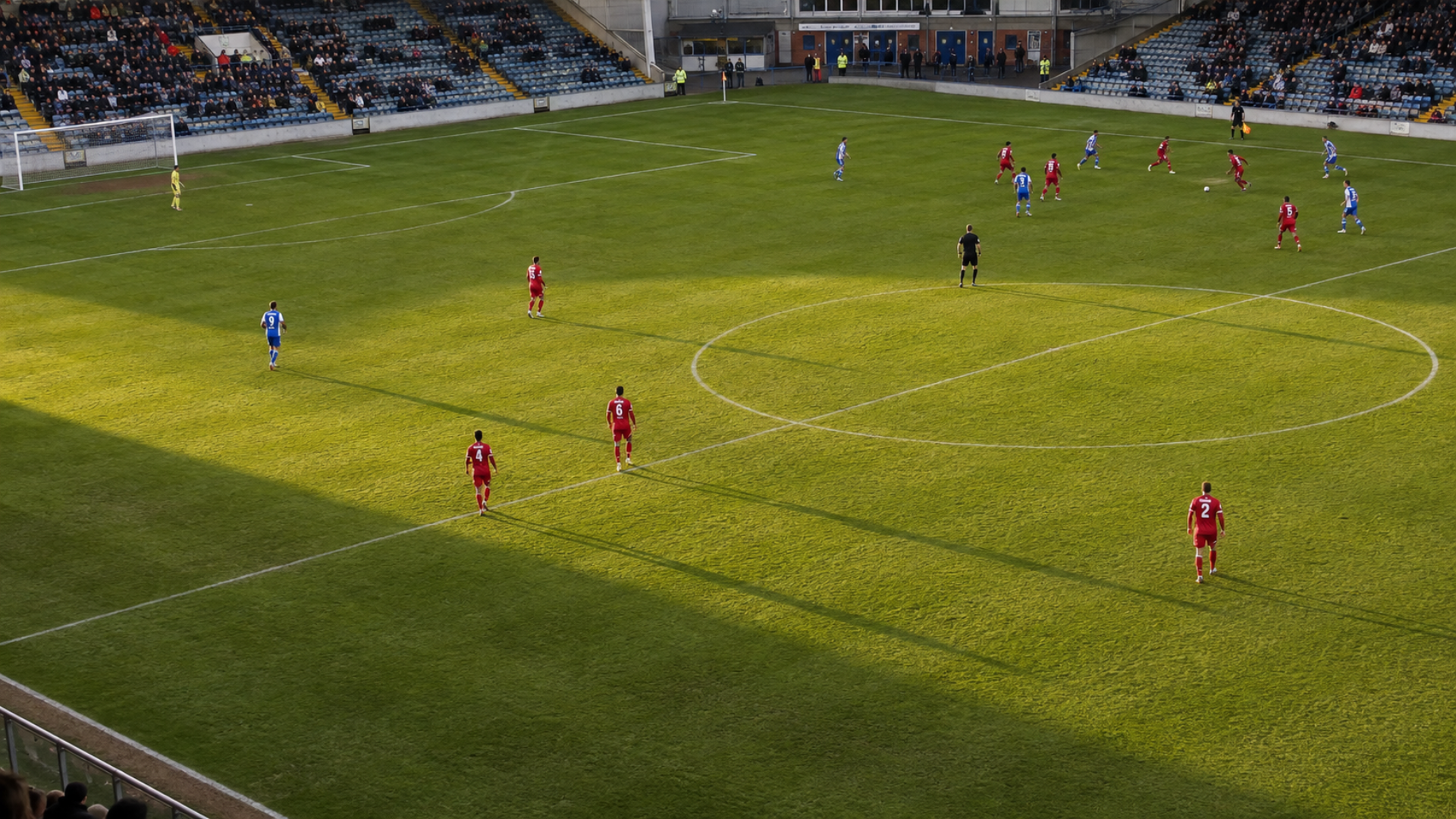
A team should not begin defending only after losing the ball. Its defensive organisation must be prepared during the attack through the positioning of the players who are not directly involved in the build-up or finishing phase. In modern football, attacking and defending are not completely separate phases. The way a team occupies the pitch in possession determines how vulnerable it will be when the ball is lost. The principle is simple: While...
Read more
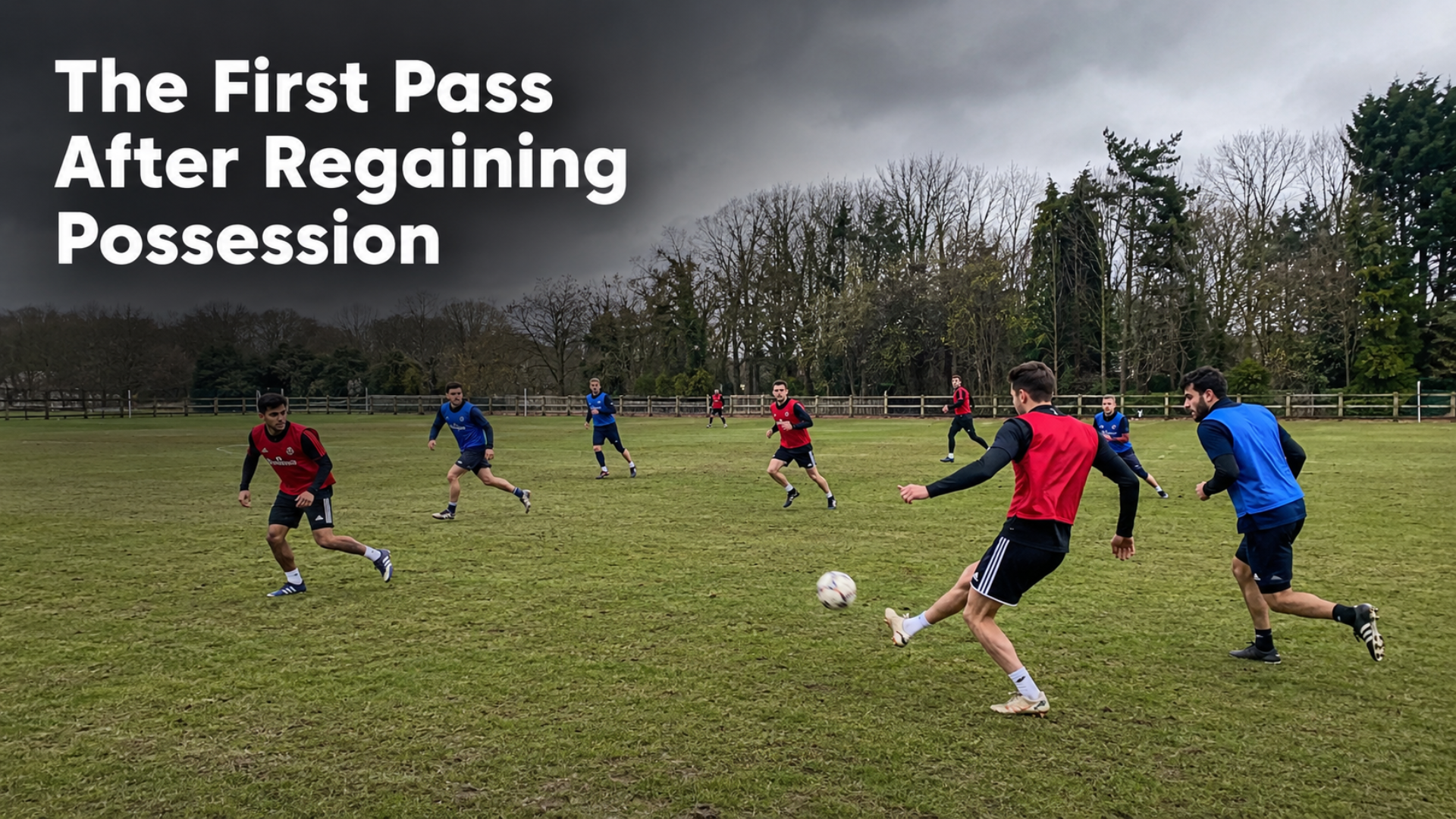
Regaining the ball does not automatically mean that the team has gained control of the situation. The first moments after recovery are decisive because the opposition is still disorganised, but the players who have won the ball may also be under immediate pressure. The first pass can transform the recovery into a dangerous attack—or cause the team to lose possession again immediately. The principle is simple: It is not enough to regain...
Read more
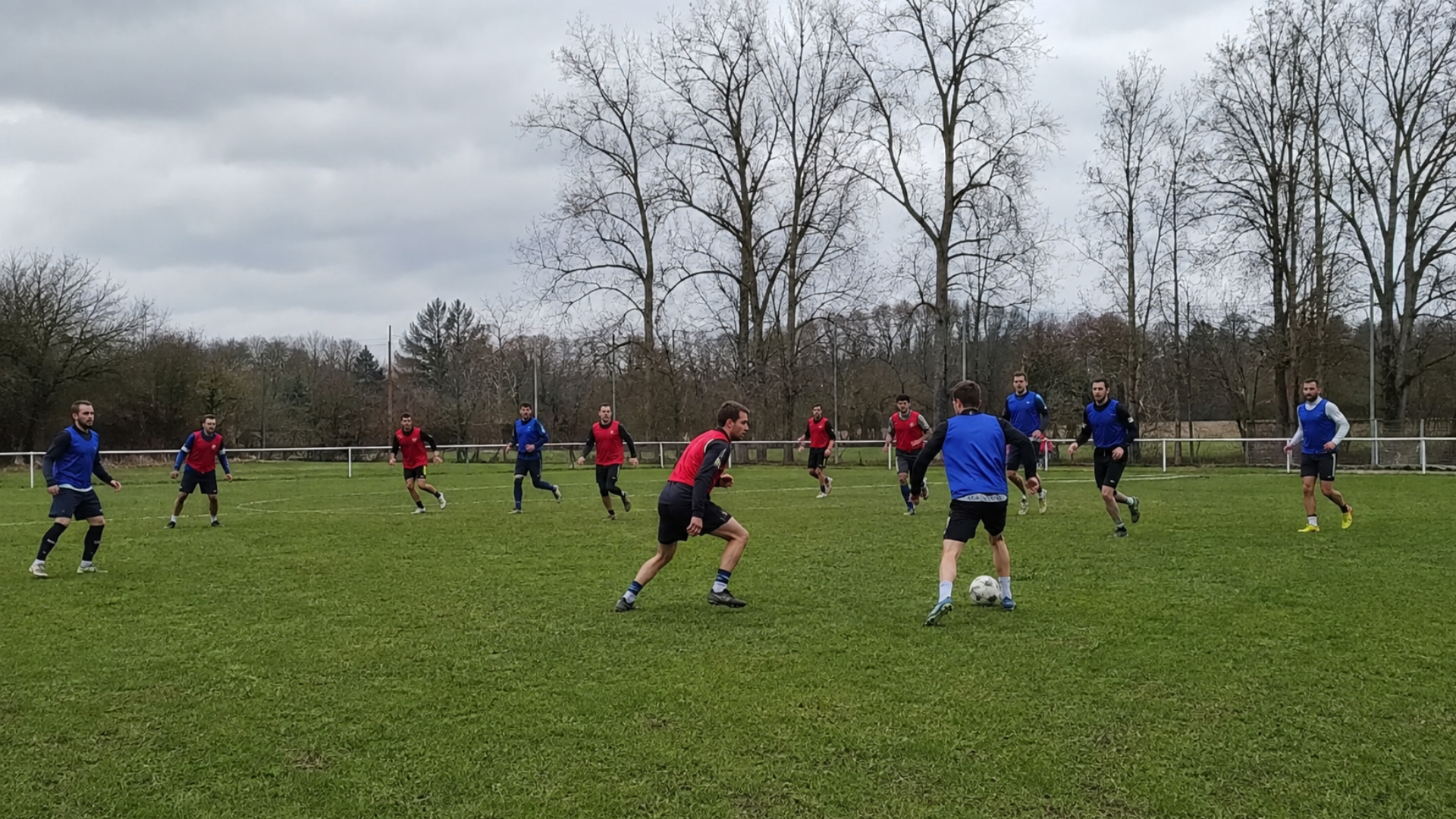
Pressing is often associated with intensity, aggression and covering large distances. However, a team can run a lot without pressing effectively. Real pressing is not simply about closing down the player in possession as quickly as possible. It is about controlling space, blocking passing options and coordinating the movements of the entire team. The principle is simple: We do not press to chase the ball. We press to control the opponent’s...
Read more
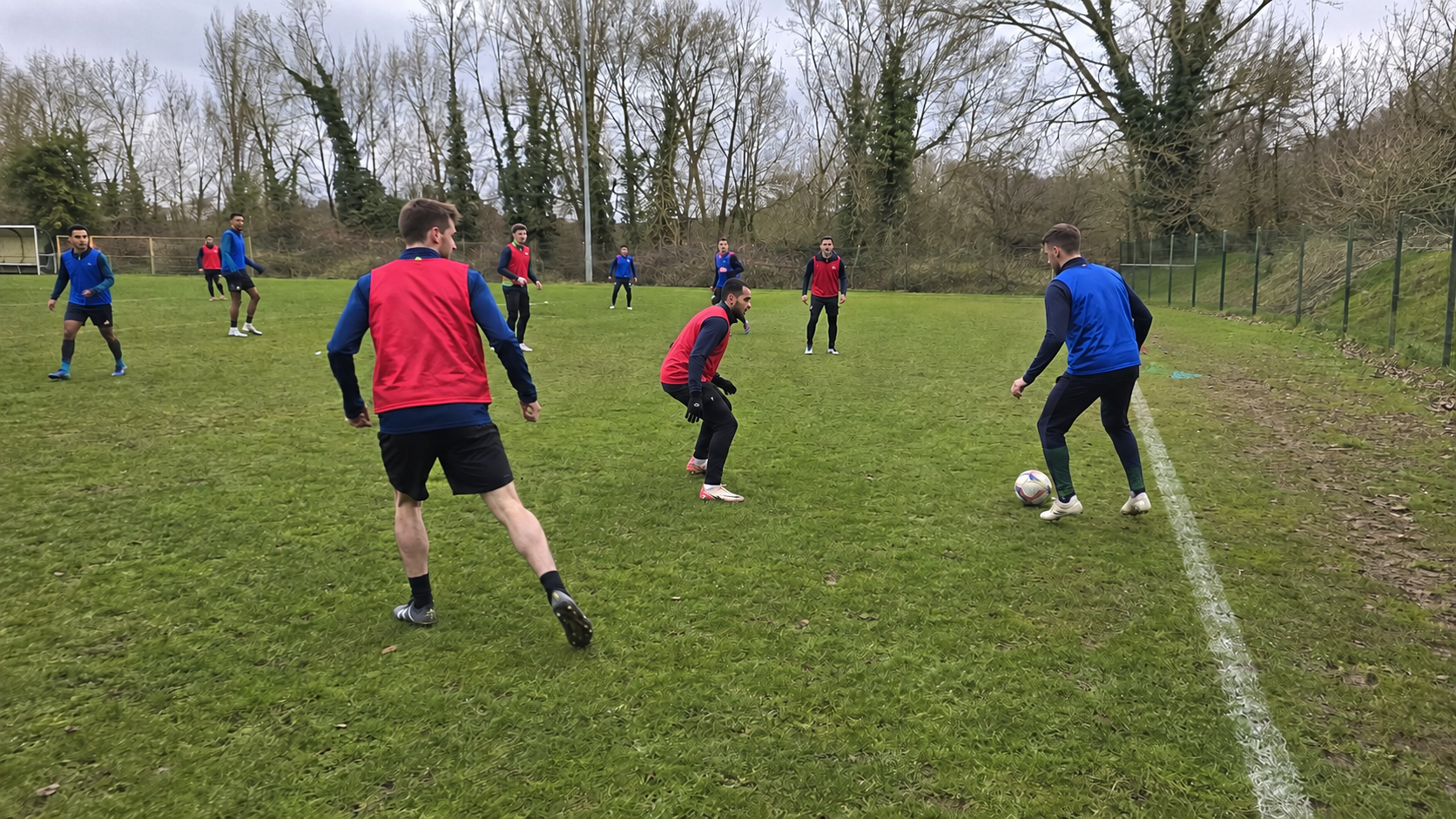
Wide areas are ideal for organising pressing traps because the touchline limits the ball carrier’s space and available options. However, a pressing trap is not simply about running aggressively towards an opponent. The team must guide the opposition wide and then collectively close the available solutions. The principle is simple: Invite the opponent towards the touchline and prepare to regain possession there. Why are wide areas effective?...
Read more
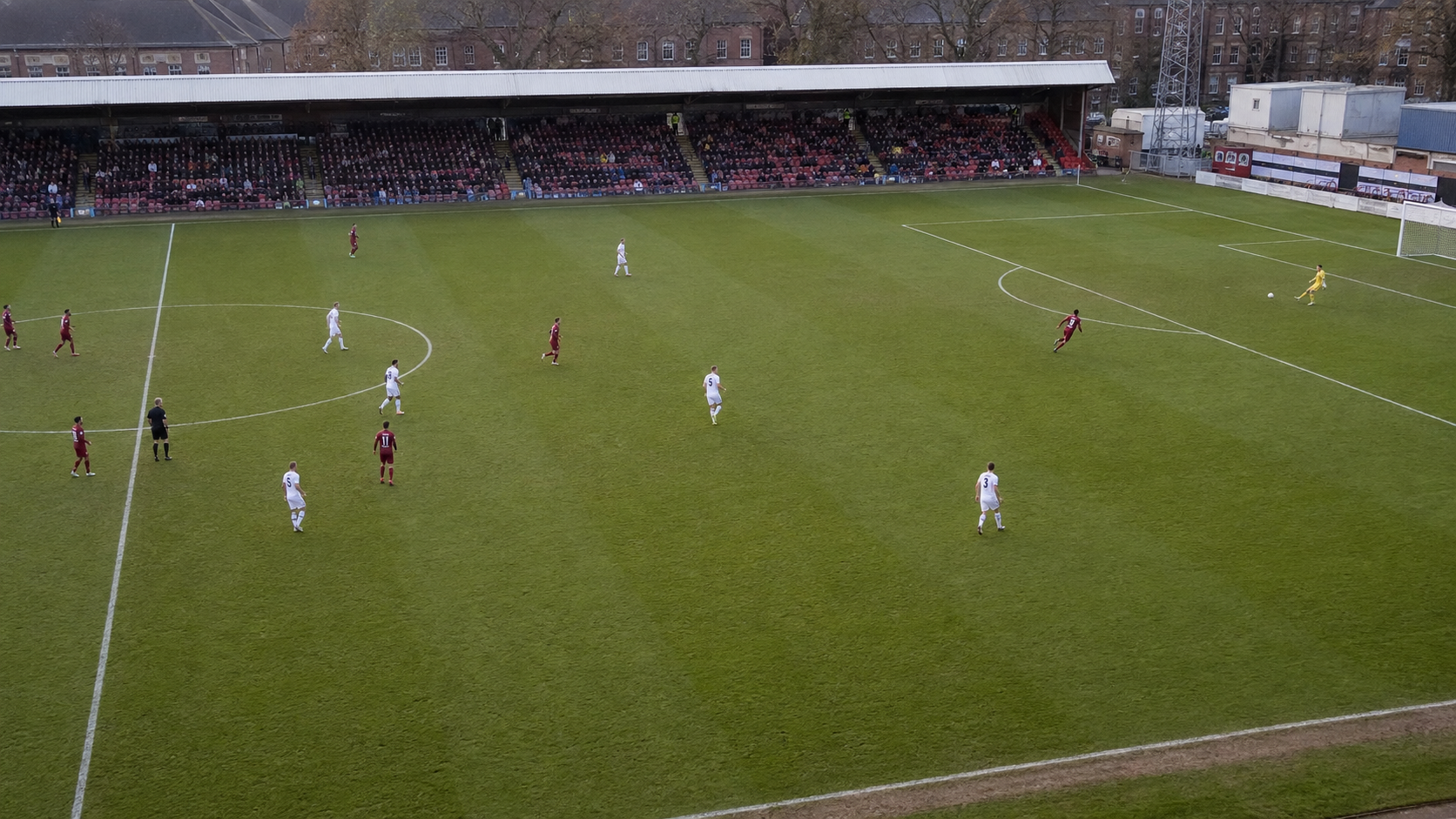
A back pass to the goalkeeper is an important pressing trigger, but the team’s reaction must be adapted to the length of the pass. A short pass from near the penalty area and a long pass from the halfway line create different tactical situations. The question is not simply whether the ball reaches the goalkeeper, but: How much time does the team have to advance, and which options can it close before the goalkeeper plays the ball? The short...
Read more
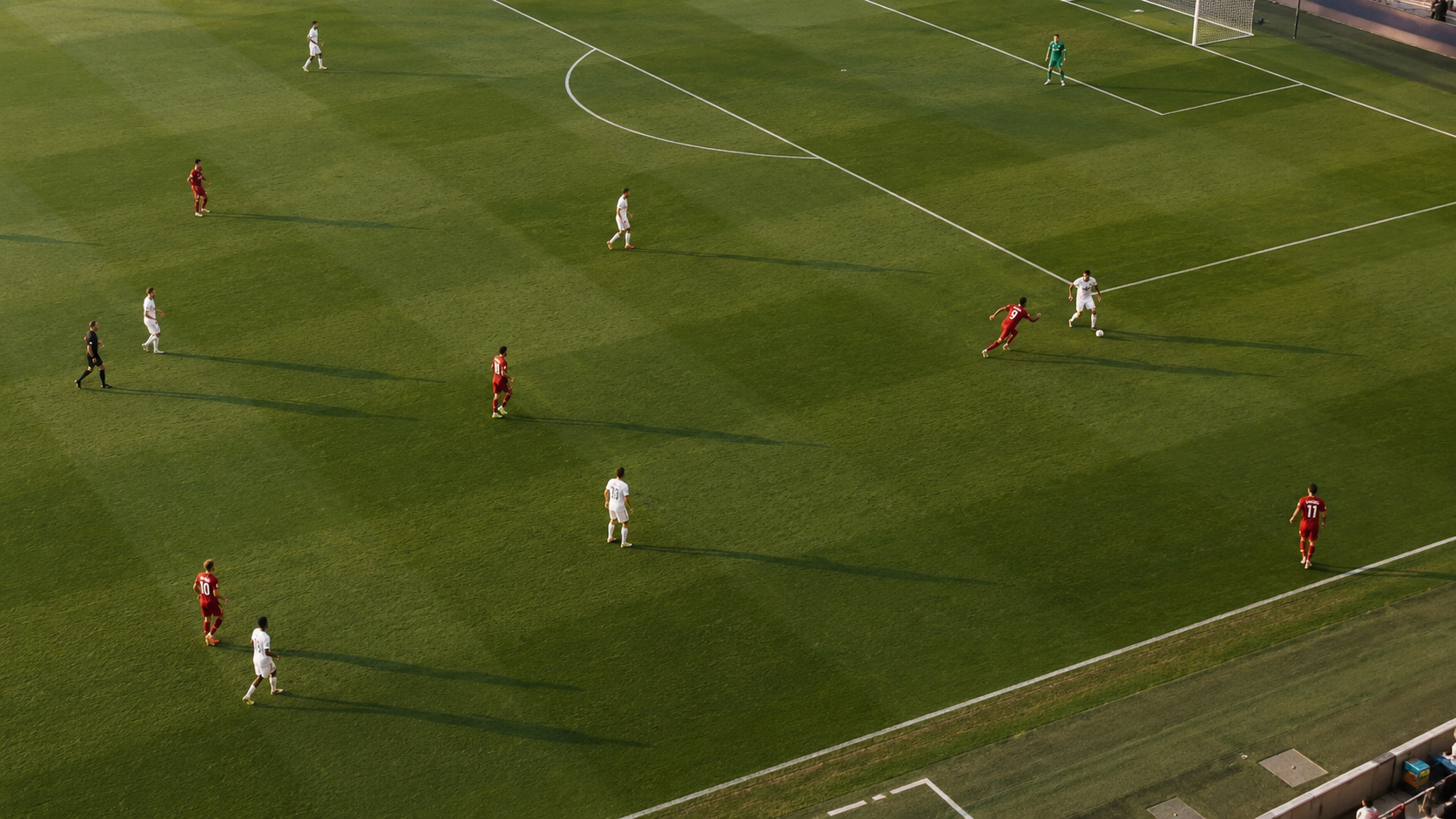
In a team’s pressing organisation, the striker is the first defender. Their role is not limited to running towards the defender in possession or trying to regain the ball individually. Their main responsibility is to establish the direction of the press and influence the opponent’s next decision. Through positioning, body orientation and the angle of approach, the striker can close certain passing options while intentionally leaving...
Read more
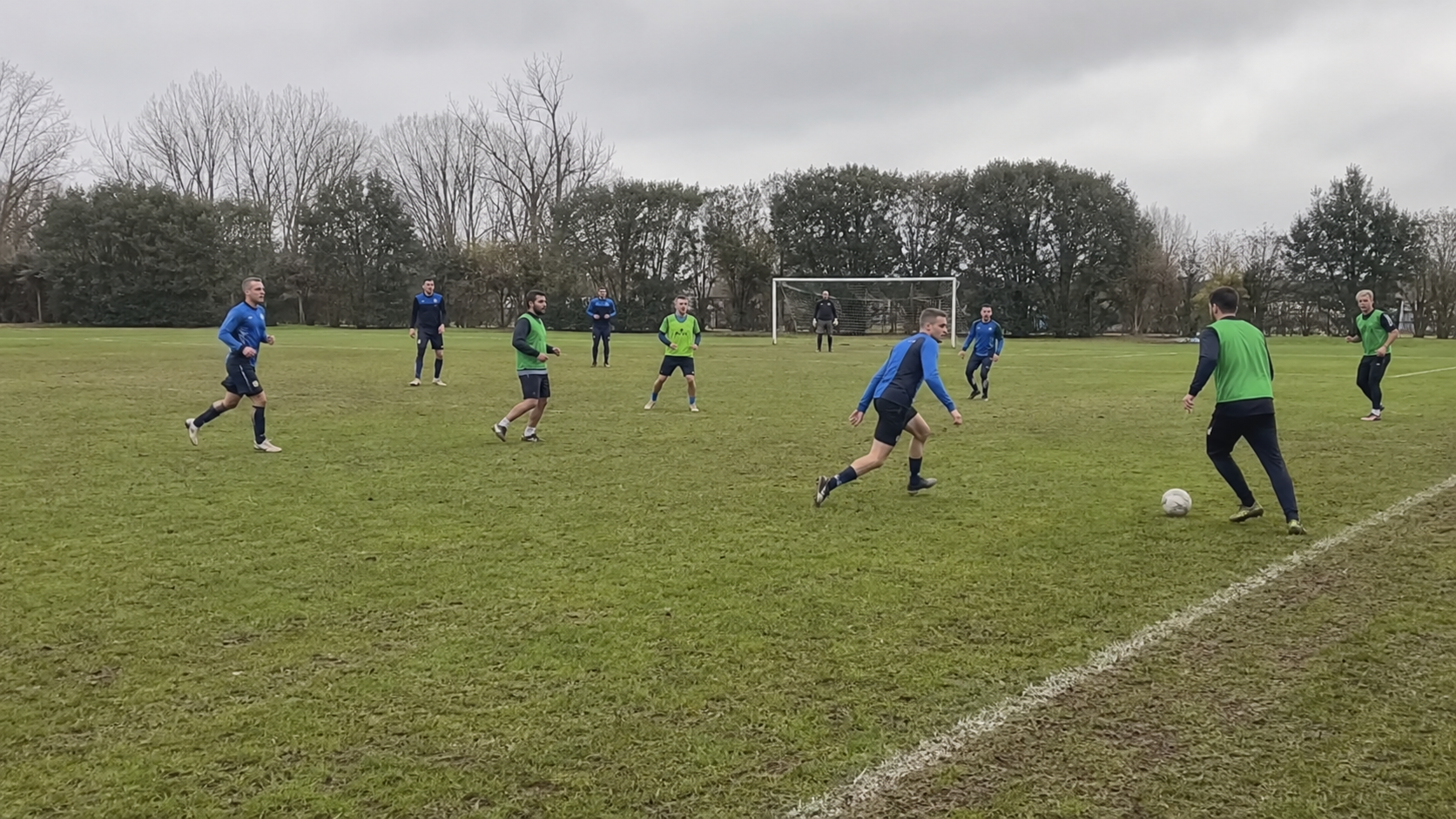
Effective pressing is not only about winning the ball back. Its first objective is to control the direction of the opponent’s build-up. A team that presses intelligently does not simply chase the ball. It takes away certain options while intentionally leaving open the route towards the area where it wants to regain possession. The idea is simple: we do not wait to see where the opponent will play the ball; we encourage them to play into the area...
Read more
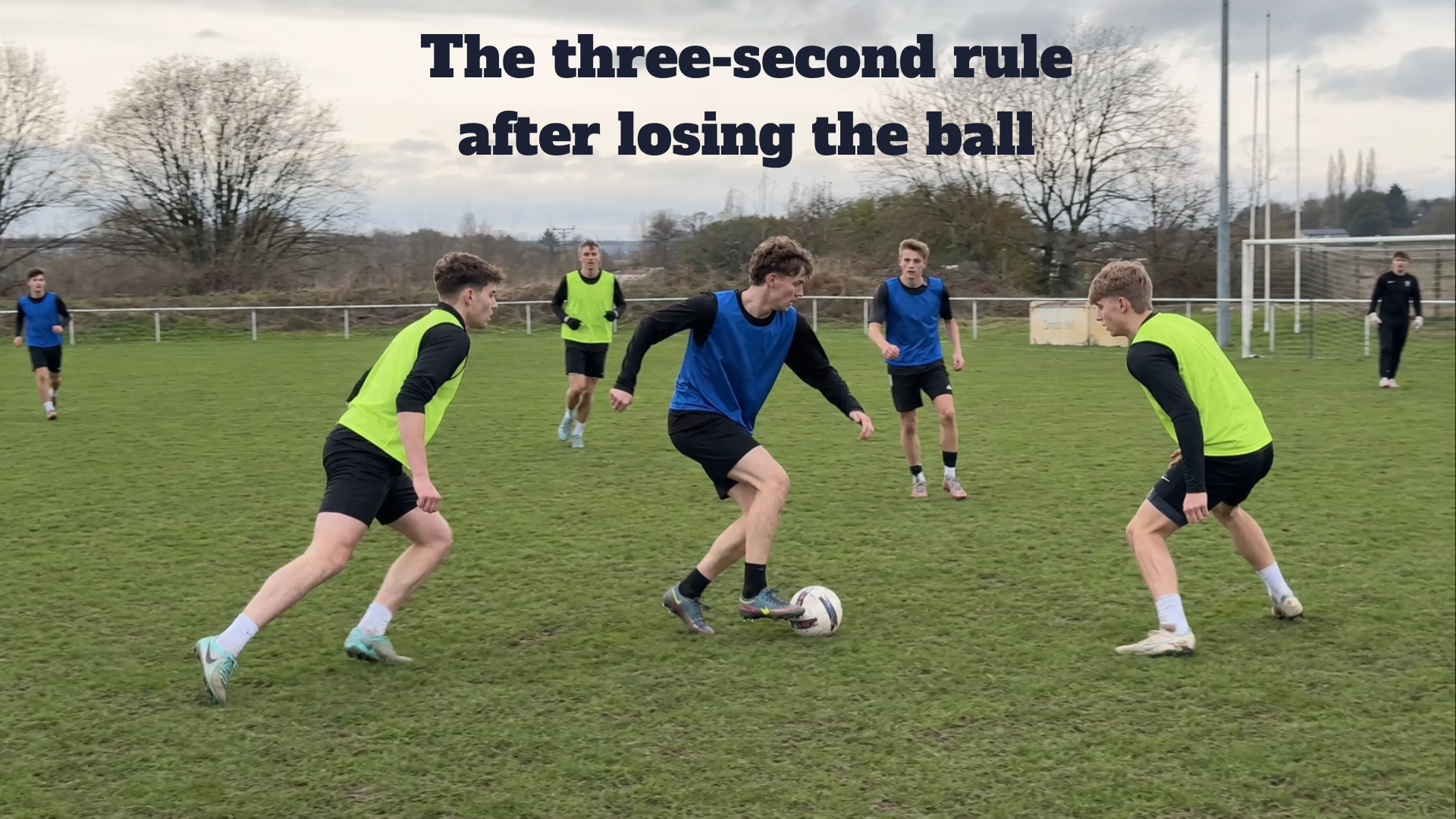
Losing the ball does not represent the end of an attack, but the beginning of a new collective action. The first few seconds are decisive because the opponent who has just regained possession is not yet organised offensively, while the player on the ball may have only a few passing options available. The three-second rule requires the team to react immediately after losing possession. During this short period, the players closest to the ball must...
Read more
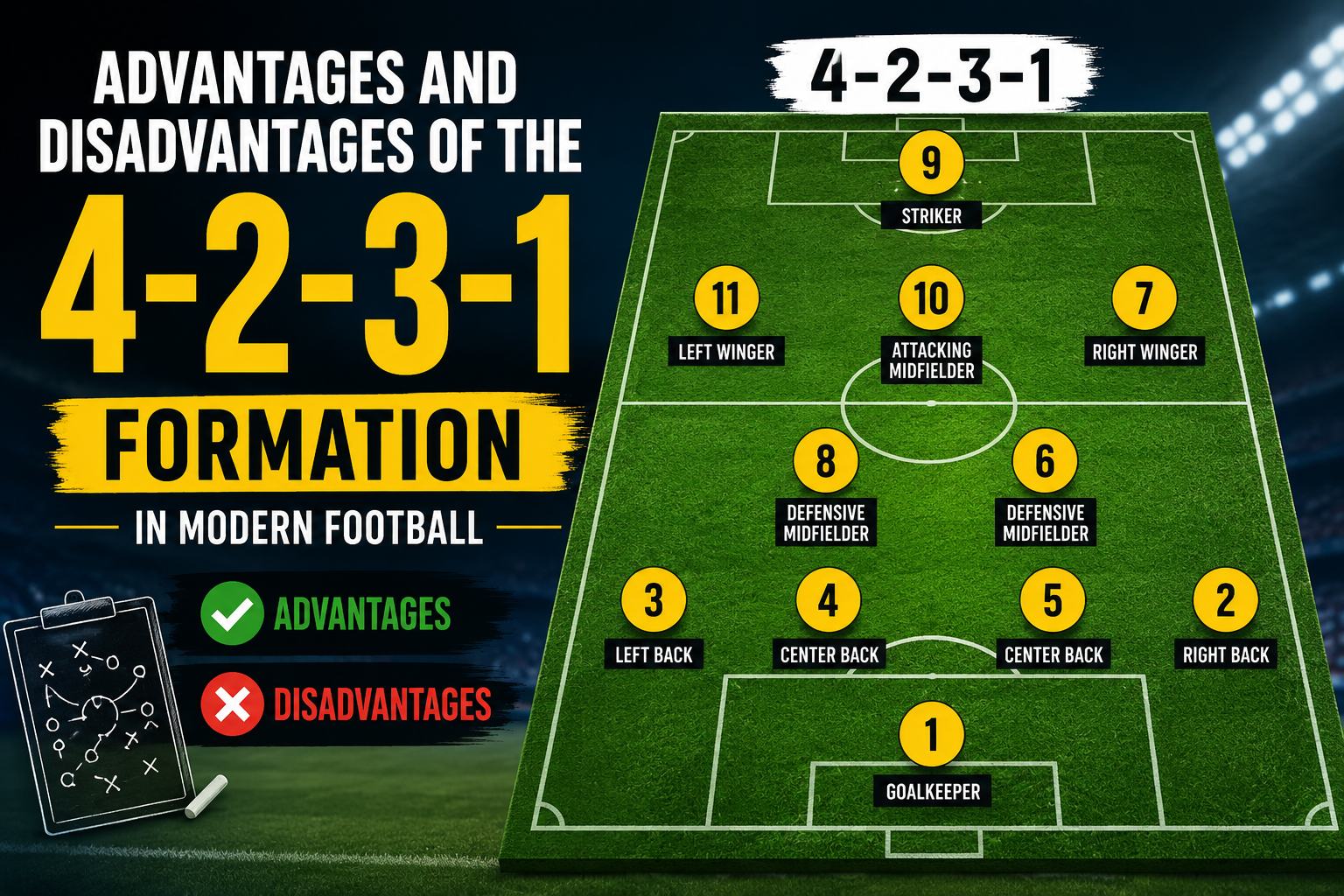
The 4-2-3-1 formation is one of the most widely used tactical systems in modern football. From elite-level teams to youth academies, many coaches choose this structure because of the balance it provides between attacking and defensive phases of the game. Its popularity comes from its flexibility. The system allows teams to build attacks effectively, control central areas, and quickly adapt to different moments of the match. However, like any tactical...
Read more
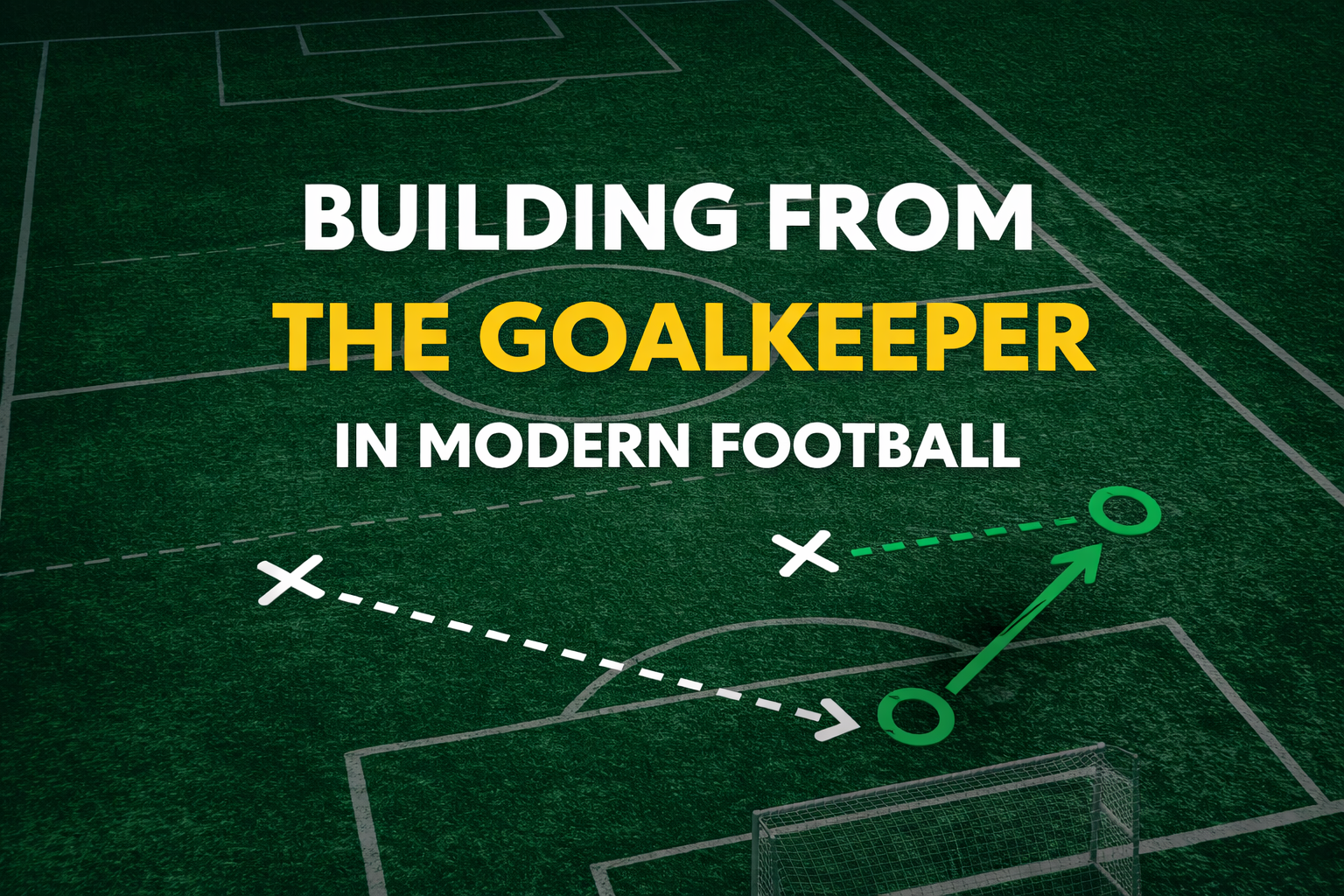
In modern football, building from the goalkeeper is no longer just a way to restart play — it is the foundation of the entire attacking phase. In many contemporary systems, the goalkeeper becomes the first playmaker, and the team establishes its attacking structure from its own defensive third. A well-executed build-up provides calm, control, progression, and allows the team to break opposition pressing lines through intelligence, not through...
Read more
Categories
Discover expert articles on football tactics — from game systems like 4-2-3-1 and pressing strategies to positional play and real-time adjustments. Ideal for coaches who want to dominate the game through smart decisions and structured play.
Customer Support Array
contact@enjoycoach.eu