
How to use the midfield area to control the game
In modern football, every meter matters — but no zone influences the game more than the midfield. Control it, and you dictate rhythm, direction, and initiative. Lose it, and you're constantly chasing the opponent.
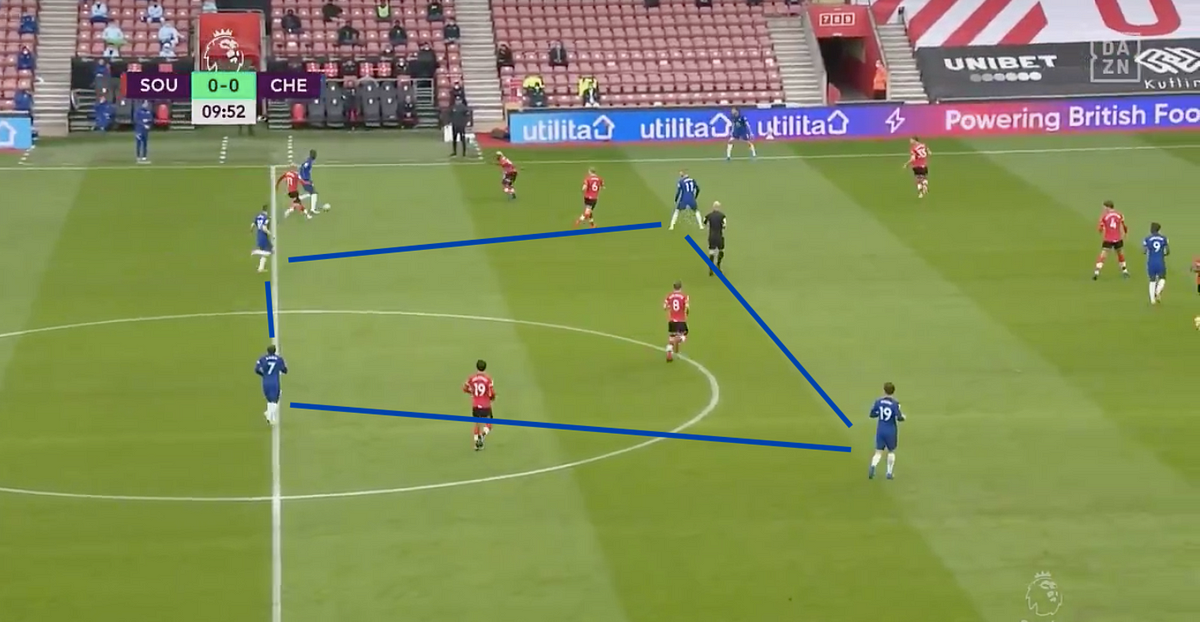
The midfield is not just a “transition area.” It’s the engine room — the tactical brain of the team, responsible for orchestrating both offensive and defensive phases.
Why Is the midfield so essential?
The center of the pitch is where:
-
Offensive build-up begins;
-
Counterattacks are stopped;
-
Rhythm is set — or lost;
-
Numerical superiority is created;
-
Passing lanes are opened or denied.
A team that dominates the midfield imposes its style, compresses the opponent’s space, and creates clear pathways toward goal.
Tactical principles to control the midfield
1. The right structure based on your game model
There’s no single winning formation, but there are essential principles. Whether you use a 4-3-3, 4-2-3-1, or 3-5-2, you need:
-
Central density;
-
Connections between lines;
-
Balance between defensive cover and offensive progression.
Example: In a well-structured 4-2-3-1, the two defensive midfielders (the “double pivot”) block transitions, while the attacking midfielder creates overloads between the lines.
2. Create numerical and positional superiority
The goal is simple: always have one more player in the area of the ball.
You can achieve this by:
-
Dropping an attacker between the lines;
-
Using an inverted full-back who steps into midfield;
-
Rotating roles between central midfielders and inverted wingers.
If it’s 3v2 in the middle — you control the game. If it’s 2v3 — you’re exposed.
3. Smart players, not just hard workers
An effective midfield needs more than runners. It needs:
-
Visionaries – players who see options before receiving;
-
Playmakers – who decide when to accelerate or slow down;
-
Ball winners – who close gaps and read passes early.
Think of players like Rodri, Toni Kroos, or Frenkie de Jong — they don’t just pass. They bring calm, control, and clarity.
4. Fast transitions through the middle
After regaining possession, the midfield must act as a launchpad for quick transitions:
-
Vertical passes between the lines;
-
Fast switches of play;
-
Progressive carries into open space.
If your midfield stands still after a turnover, you lose your transition advantage.
5. Compactness and organization without the ball
A team that defends smart in the middle:
-
Reduces the gaps between the lines;
-
Forces the opponent wide;
-
Recovers the ball via coordinated pressing traps.
The ideal scenario? Build a “midfield cage” — where the ball gets trapped, not played through.
Real-World Tactical Models
-
Manchester City (Guardiola): Transforms center-backs into midfielders to gain superiority in build-up.
-
Real Madrid: With Kroos and Valverde, they control tempo and transition with just two central players.
-
Bayer Leverkusen (Xabi Alonso): Uses a 3-5-2 setup to overload the middle and control total space.
Conclusion
The midfield is the heart, brain, and lungs of your team.
Control the midfield = control the game.
Train your players to treat the center not as a passing zone — but as the decision-making core. Choose the right structure, develop clear player roles, and work deeply on transition, compactness, and communication.