
When football stops feeling like joy
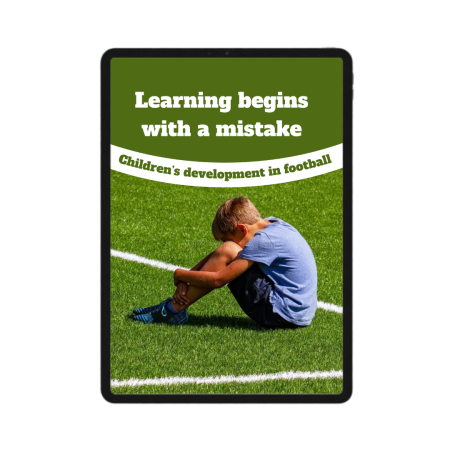
On a cold autumn afternoon, at the end of a youth football match, a boy walked slowly off the field with his head down and mud on his boots. He wasn’t crying. He didn’t even look particularly upset. Just quiet. The kind of quiet adults rarely notice, because they are too busy talking about the score, the missed chances, the referee, or what should have been done differently.
Near the touchline, parents were already discussing the match. Some were talking about the goals that should have been scored. Others were questioning substitutions, decisions, or mistakes. The coach was trying to squeeze in a few final comments before everyone headed home. Everything looked normal. Just another weekend game, like so many others.
And yet, for that boy, something was no longer the same.
Not because training had become too hard. Not because football demanded effort, discipline, or patience. He had already accepted those things as part of the game. The real problem was something else: he had started to stop enjoying it.
At the beginning, he had fallen in love with football for the simplest reasons. He chased the ball without caring about the weather, the result, or whether his first touch was perfect. Football meant freedom. It meant friends, laughter, competition, imaginary goals, and the pure joy of being on the field. It meant trying, failing, learning, and trying again.
But slowly, without anyone truly noticing, the game began to change.
He started becoming afraid of making mistakes. He began looking toward the sideline before making decisions. He played more to avoid upsetting someone than for the joy of playing. Every misplaced pass, every lost duel, every moment of hesitation began to feel heavier than all the good things he did.
Maybe someone had pointed out his mistakes too often. Maybe he had started comparing himself to other children. Maybe he felt he constantly had to prove something. Maybe, through words, tone, or silence, he had understood that football was no longer a place where he was allowed to simply be a child.
And that is where one of the biggest problems in youth football begins.
Many adults believe that if a child quits football, it must be because they were not strong enough, disciplined enough, or motivated enough. But the truth is often much simpler—and much more painful: children do not leave because football is hard. They leave when the game stops bringing them joy.
A child can handle fatigue. They can handle difficult training sessions. They can even handle losing. What is much harder to carry is fear, constant pressure, lack of trust, or the feeling that they are never good enough.
Children do not step into football because of league tables or trophies. They do not start playing because they want to become miniature professionals from day one. They begin because of the emotion of the game. Because of the thrill of scoring. Because of the joy of being part of a team. Because of the friendships that grow in dressing rooms and on training grounds. Because football gives them something no lecture, no classroom, and no screen ever could.

When those things are replaced by fear, pressure, and tension, the love for the game starts to fade.
Sometimes it fades slowly. The child still comes to training, but the light in their eyes is not the same. They stop asking for the ball. They stop trying new things. They stop going home excited about what happened at practice. Other times, it disappears all at once. One day they simply say they do not want to go anymore. And the adults around them are left surprised, wondering how it happened—because they saw the schedule, but not the emotional weight the child had been carrying.
That is why one of the greatest responsibilities of a coach and a parent is not only to help a child play better, but to protect their relationship with the game.
To help them understand that making mistakes does not make them less valuable. To give them room to try. To remind them that football is first a place to grow, not only a place to perform. To create an environment where discipline exists without fear, and high standards exist without humiliation.
Because in youth football, it is not enough to ask:
“How much is this child improving?”
Sometimes the more important question is:
“Is this child still enjoying the game?”
If the answer starts becoming “no,” then all the other things—results, trophies, league tables, statistics—begin to lose their meaning.
Because youth football should build more than players. It should build confidence, courage, character, and a lasting love for the game.
And when a child walks away from football, the saddest part is not simply that they leave a sport.
The saddest part is when they leave something that once brought them joy.