
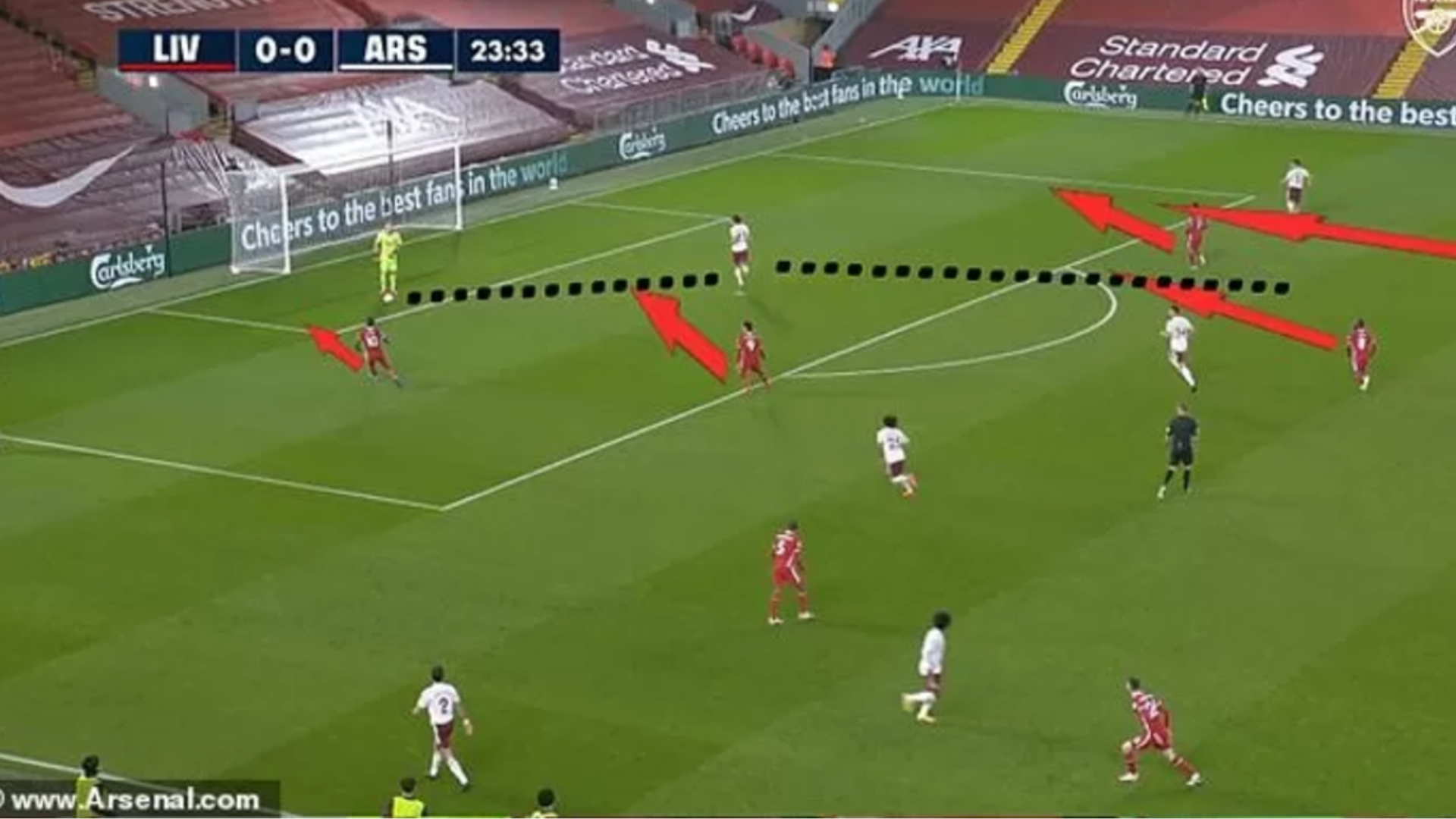
Wave attacks: How to apply constant pressure in the final third
In elite football, the difference between a team that dominates and one that merely controls possession lies in the ability to maintain constant attacking pressure — especially in the opponent’s final third.
Wave attacks are not a coincidence. They are the result of tactical organization, collective effort, and an aggressive game philosophy.
What are wave attacks in football?
Wave attacks refer to a team’s ability to launch continuous waves of offensive pressure, preventing the opposition from clearing the ball or regaining control. A rejected ball is not the end of a play, but the beginning of another.
This is the opposite of reactive or counter-attacking football. Here, the team stays high, presses aggressively, and recovers quickly, transforming every situation into another chance to score.
Tactical foundations of constant pressure
1. Compact shape in the attacking third
-
The defensive line holds near midfield.
-
Midfielders push high to support the attack.
-
Forwards cut off passing lanes.
✅ Result: Opponents are suffocated with no time or space to breathe.
2. Gegenpressing as an automatic reaction
-
Upon losing the ball, players around the ball react within 3 seconds to recover it.
-
The team forces play to the flanks or dense areas.
-
Pressure is directed, not chaotic – the goal is to force passes into traps.
3. Winning the second ball
-
Midfielders position themselves 20–30 meters from goal, ready for loose balls.
-
The team anticipates rather than reacts.
✅ Recover the second ball, launch the next attack immediately.
4. Role of full-backs
-
Full-backs press high and help prevent counter-attacks.
-
They act as consistent wide passing options, supporting overloads.
5. Dynamic offensive structure
-
The team transitions between 2–3 attacking shapes depending on the opposition’s response.
-
Players are free to express themselves within the structure.
Example: Start in a 4-2-3-1, transition into a 2-3-5 in attack.

Training drills for wave attacks
🔁 Drill 1: Gegenpressing in 3v2 or 5v3 Small Areas
-
Goal: Recover in <5 seconds and launch a direct attack.
🔁 Drill 2: Continuous Attack with Coach-Introduced Balls
-
After a shot or clearance, coach throws a new ball to restart the attack immediately.
🔁 Drill 3: High-Pressure Game – Recover in 10s, Finish in 8s
-
Encourages quick thinking and direct decision-making under time pressure.
🔁 Drill 4: Second Ball Finishing
-
Simulates a clearance; player at the top of the box must control and shoot quickly.
Examples from elite football
-
Liverpool (Klopp, 2018–2022): Extreme gegenpressing and relentless offensive recovery.
-
Manchester City (Guardiola): Positional dominance and pressure loops in the final third.
-
Barcelona (Guardiola Era): Reacted within 3 seconds of losing the ball, turning every lost possession into a new chance.
Benefits of wave attacks
-
Induce psychological and physical panic in the opponent;
-
Turn every lost ball into a new opportunity;
-
Control the match tempo even without immediate scoring;
-
Increase offensive efficiency through rhythm and intensity.
Want to train your team to attack in waves?
Explore our exclusive digital books and training plans at 👉 www.enjoycoach.eu
You’ll find modern exercises for gegenpressing, positional attack, and high-pressure strategies.
✅ Turn your team into a relentless pressing machine!