
Blog

When football stops feeling like joy On a cold autumn afternoon, at the end of a youth football match, a boy walked slowly off the field with his head down and mud on his boots. He wasn’t crying. He didn’t even look particularly upset. Just quiet. The kind of quiet adults rarely notice, because they are too busy talking about the score, the missed chances, the referee, or what should have been done differently. Near the touchline,...
Read more
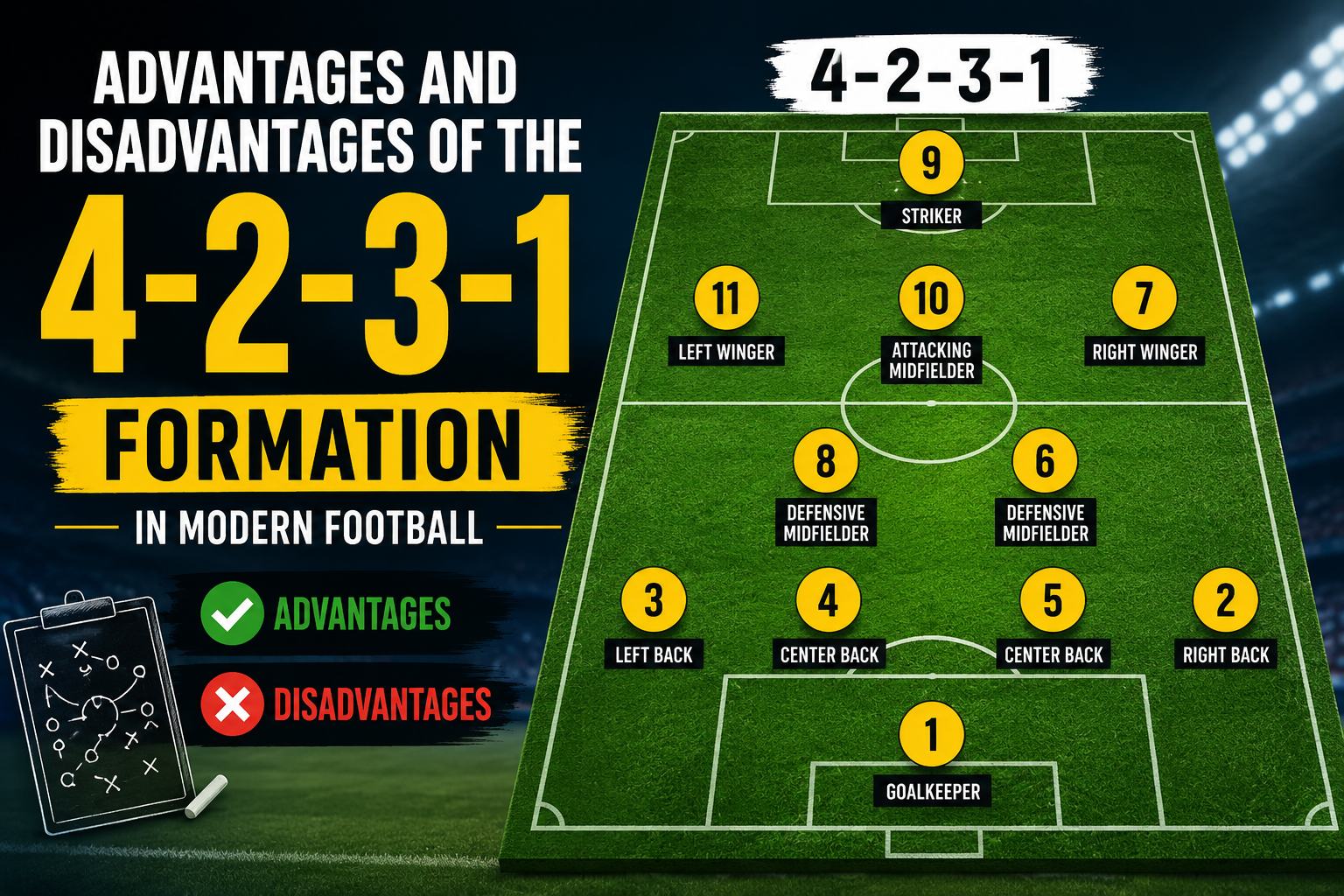
The 4-2-3-1 formation is one of the most widely used tactical systems in modern football. From elite-level teams to youth academies, many coaches choose this structure because of the balance it provides between attacking and defensive phases of the game. Its popularity comes from its flexibility. The system allows teams to build attacks effectively, control central areas, and quickly adapt to different moments of the match. However, like any tactical...
Read more
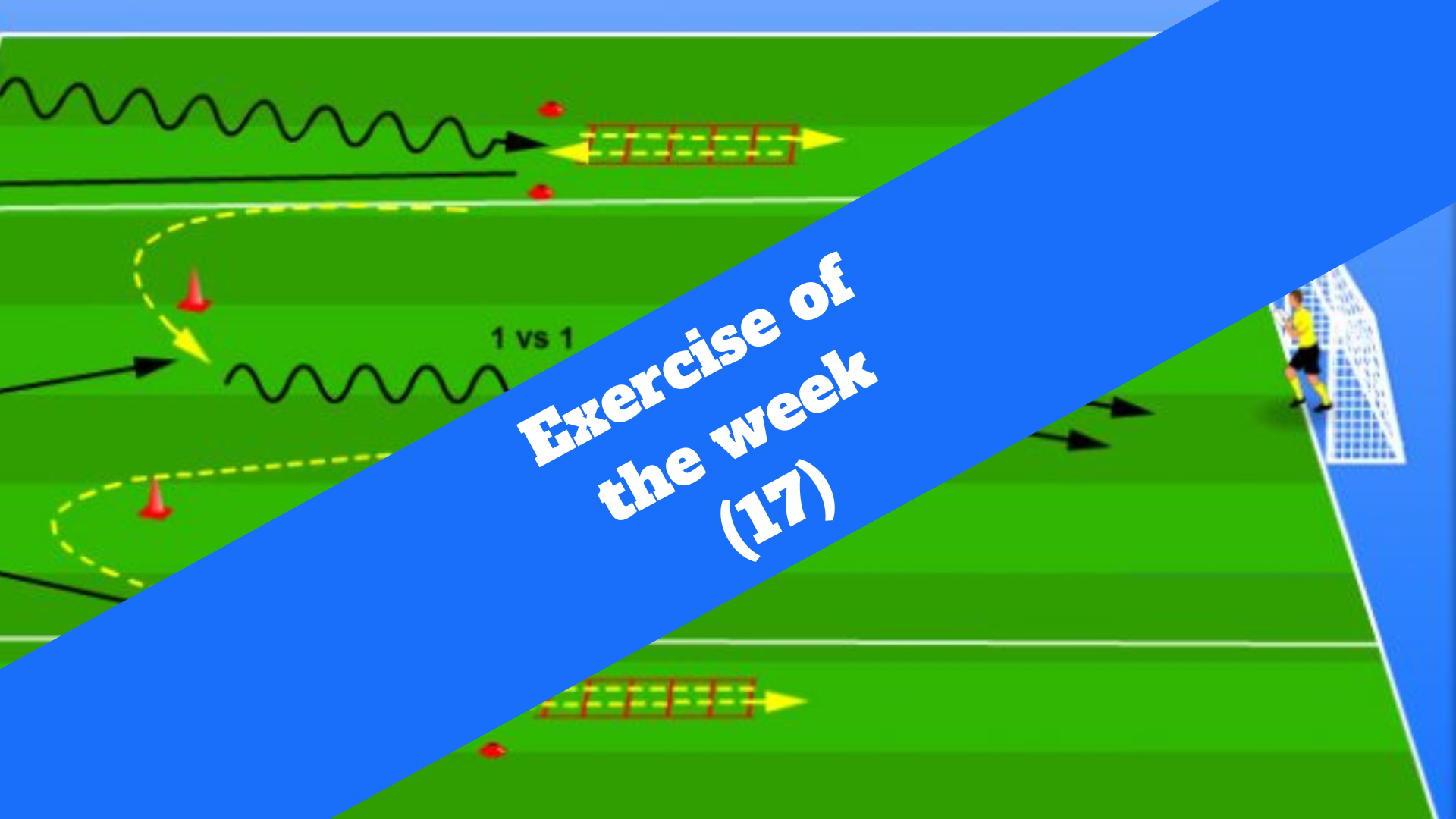
1v1 Duel Drill – Reaction, Speed & Finishing For this week, we have prepared a dynamic training drill focused on 1v1 duels, with an emphasis on reaction speed, quick role changes, and finishing in game-realistic situations. The exercise combines coordination, speed, and competitiveness, developing both attacking behavior and immediate defensive reaction after losing possession. Objective: improve 1v1 attacking and defending duels; develop...
Read more
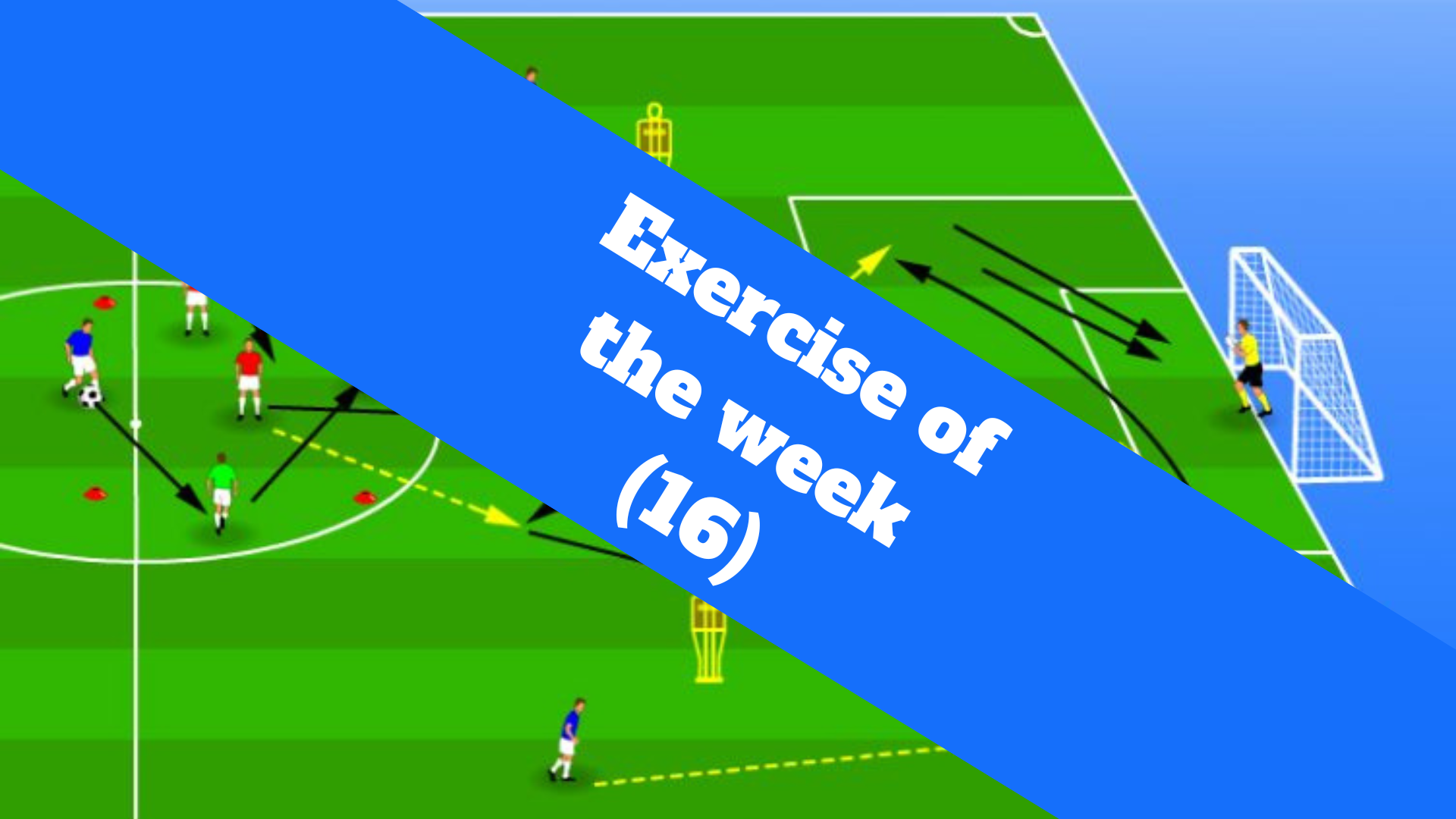
Possession Drill + Striker Combination + Crossing & Finishing 🎯 Objective: improve possession under pressure; develop play through the striker; train wide combinations, crossing and finishing. 🧩 Required Equipment: footballs; flat markers (cones); slalom poles. 👥 Players: 6 players in the possession area. 3 attacking players near the goal: 1 central striker; 1 right midfielder; 1 left...
Read more
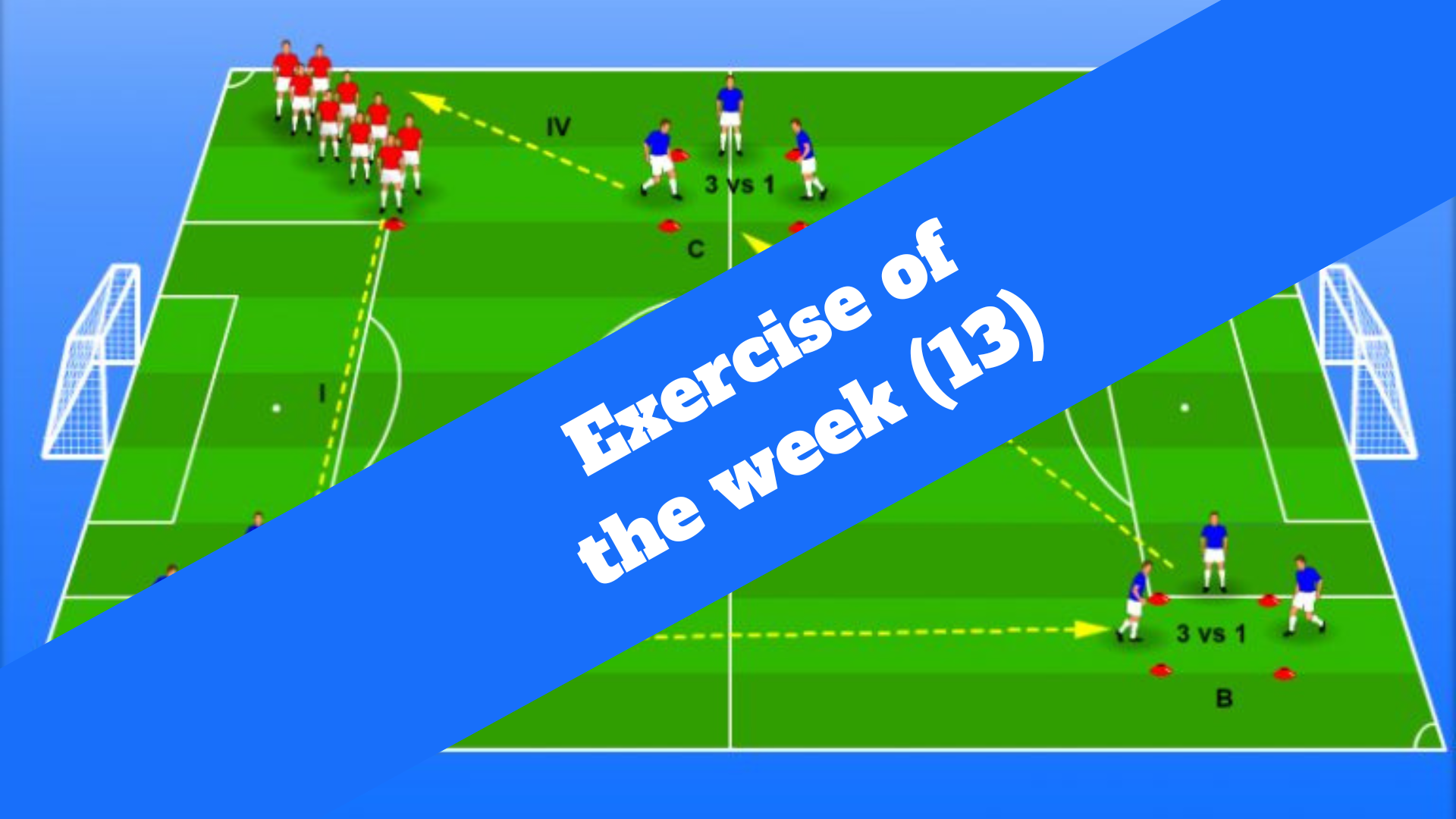
For this week, we have prepared a drill that can be used in the training process to improve football-specific physical conditioning . 🧩 Required equipment: flat markers footballs ✅ Exercise description: Three playing areas will be created, with dimensions identical to those shown in the diagram above. The ideal number of players for this drill is 18 . The squad will be divided into two teams . In each of the three...
Read more
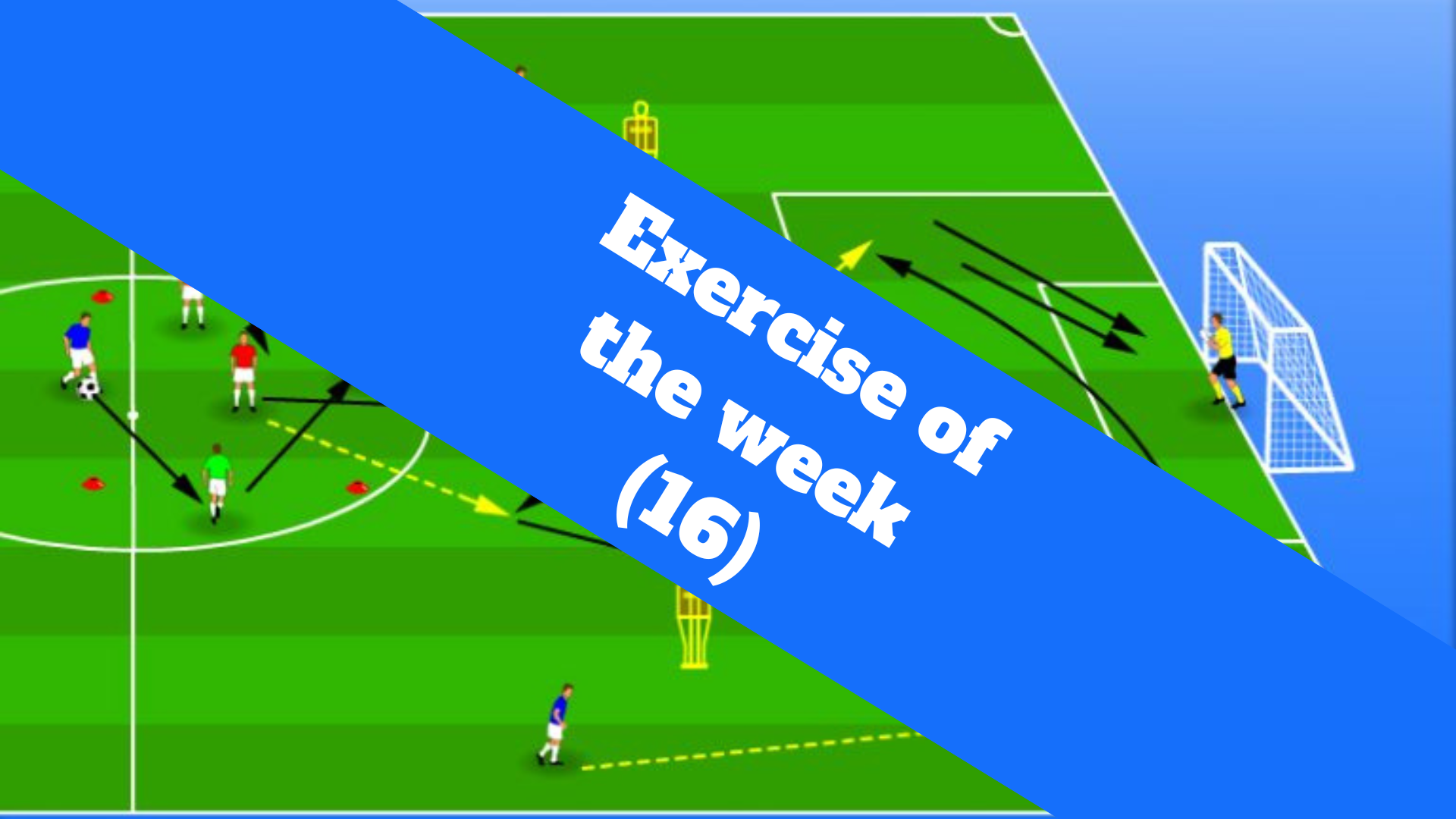
For this week, we have prepared a drill that can be used in the warm-up phase of the training session . Required equipment: cones flat markers two speed ladders two small goals Exercise description: The equipment is set up as shown in the diagram above. The first players A each start with a ball and begin the exercise at the same time . Players A dribble the ball toward the middle cone (1). Once they reach the cone,...
Read more
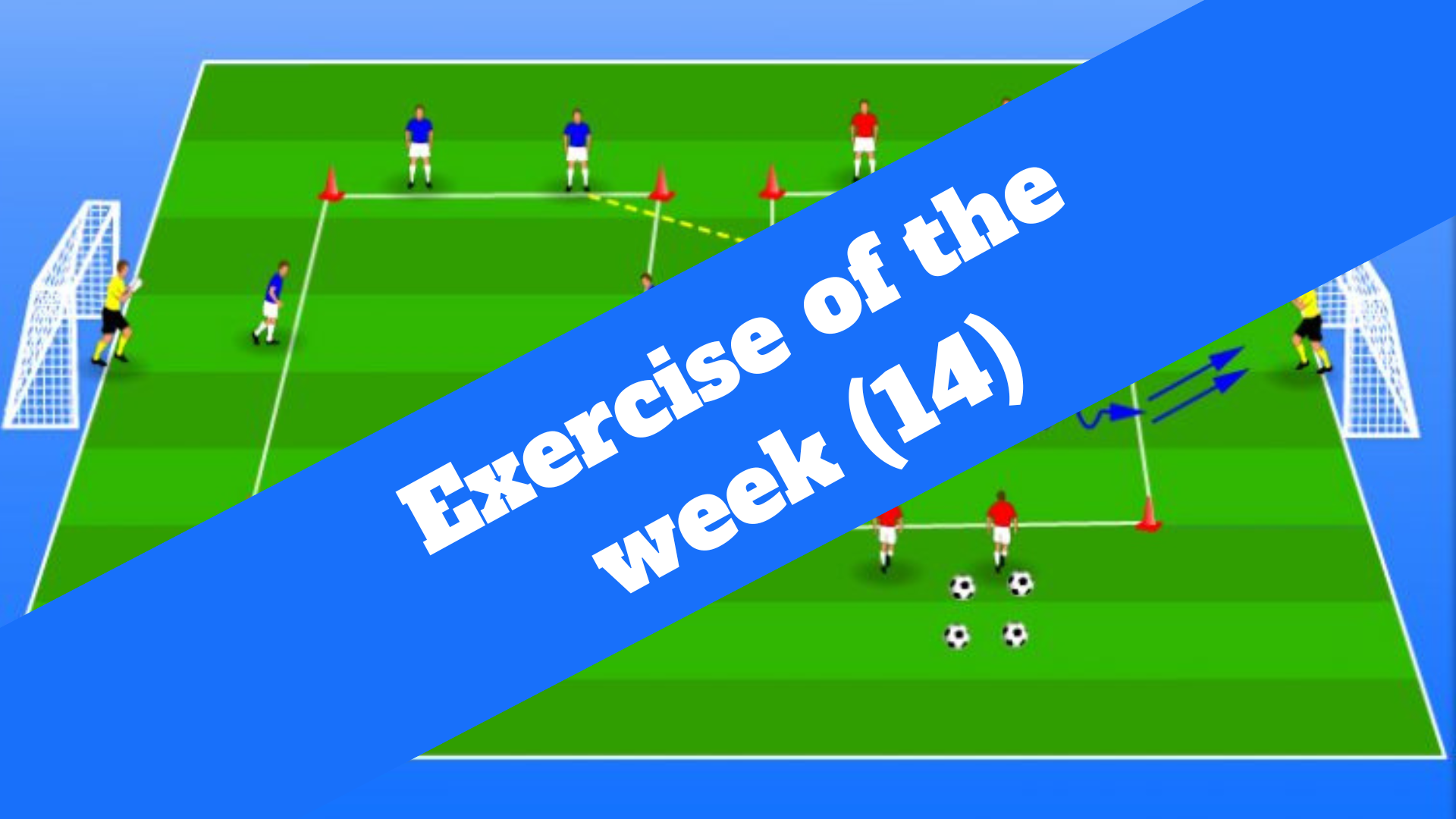
For this week, we have prepared a drill based on 6 vs 3 possession games . ✅ Exercise description: Two teams of 6 players each will be created. Using cones, two 6 vs 3 playing areas will be set up. At a distance of 15 meters from each of the two playing areas, two full-size goals will be placed. Depending on the objective of the exercise, the distance between the two playing areas can even be increased to 60–80 meters...
Read more
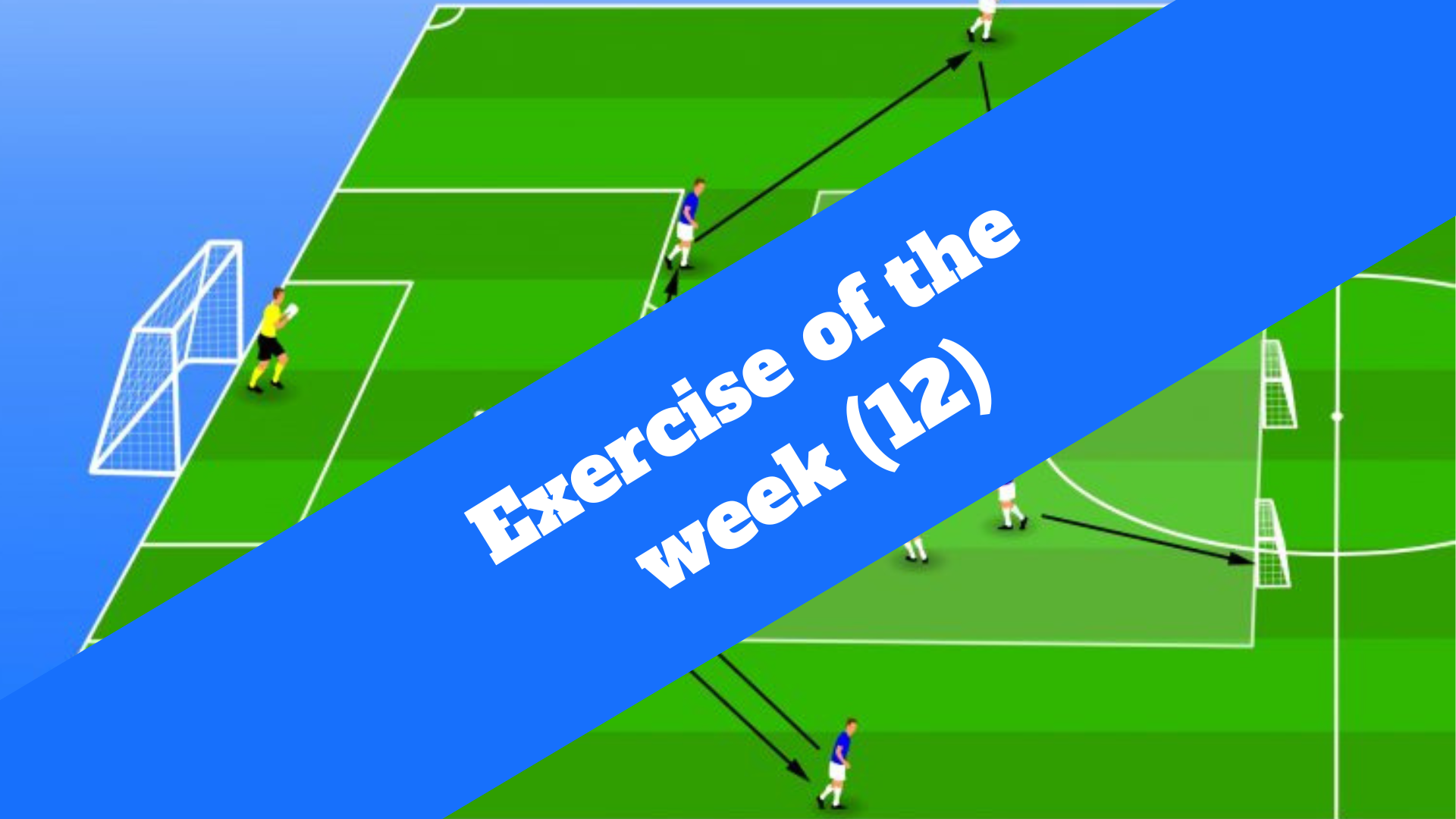
For this week, we have prepared a drill focused on finishing from crosses , followed by a 3 vs 3 game situation . ✅ Exercise description: Players are divided into groups of three (or four players) . The three players on the right side perform a passing combination . One of the three players makes a movement to deliver the cross , while the other two make runs into the box to finish . They receive the ball from the cross...
Read more
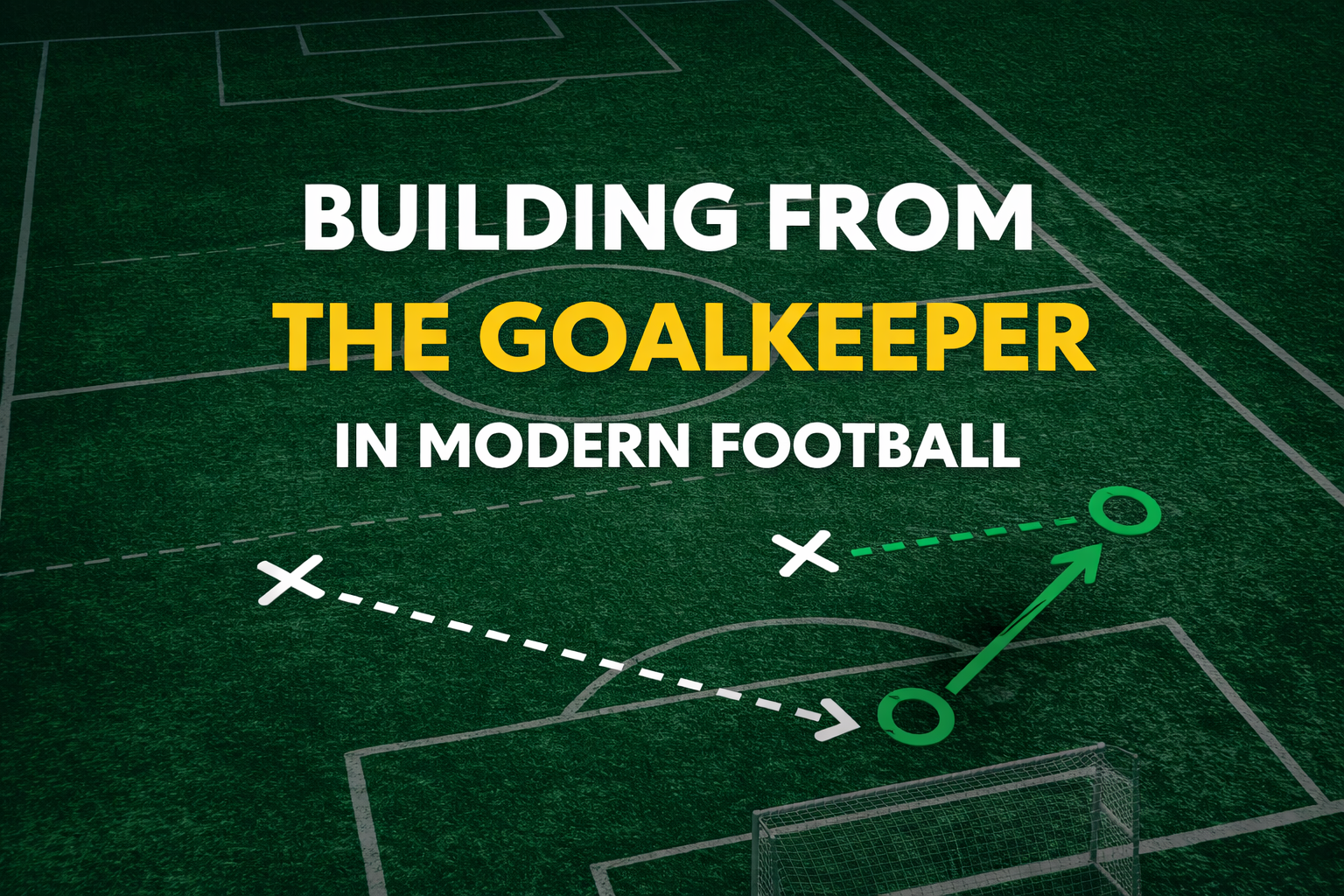
In modern football, building from the goalkeeper is no longer just a way to restart play — it is the foundation of the entire attacking phase. In many contemporary systems, the goalkeeper becomes the first playmaker, and the team establishes its attacking structure from its own defensive third. A well-executed build-up provides calm, control, progression, and allows the team to break opposition pressing lines through intelligence, not through...
Read more
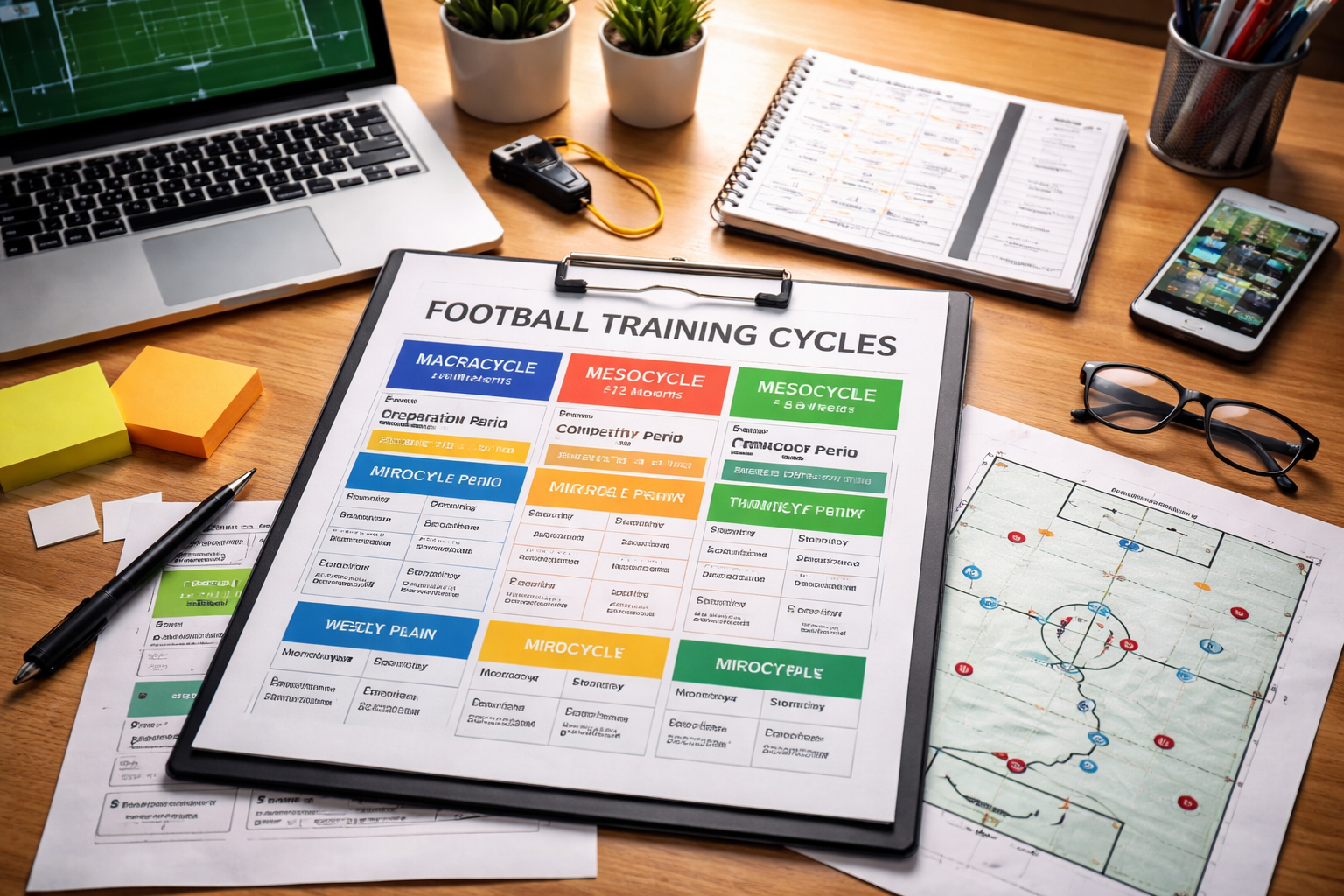
Planning training sessions is one of the most important responsibilities of a football coach . Without a clear structure, training can become chaotic and players’ development will be limited. To build an effective training process, football coaches use a structured system called training cycles . These cycles allow the logical planning of players’ physical, technical, and tactical development over different periods of time. In modern...
Read more
In modern football, building from the goalkeeper cannot function without the correct positioning of defenders. They represent the first line of progression, the players who set the rhythm, passing angles, and overall stability of the game. The way defenders position themselves in the first seconds of the attacking phase influences: how easily the team escapes the press; what passing lanes are created; how the midfield organizes itself; which...
Read more
There are moments in football when everything seems blocked. The opponent defends compactly, spaces are tight, and every pass appears predictable. Players search for gaps, but the defense moves like a perfectly coordinated organism. And yet, suddenly, an opening appears. A vertical pass, a first-touch layoff, a run behind the defenders… and a goal. At first glance, it looks like individual inspiration. But the truth is different: hidden...
Read more
In football, transitions are influenced not only by space, time, or positioning, but also by the scoreline . The same moment of play requires completely different decisions when you are leading compared to when you are trailing. Mature teams understand this and adapt their transitions to manage the game , not just react instinctively. This article is based on key ideas that are easy to apply and explains how the score changes priorities, tempo,...
Read more
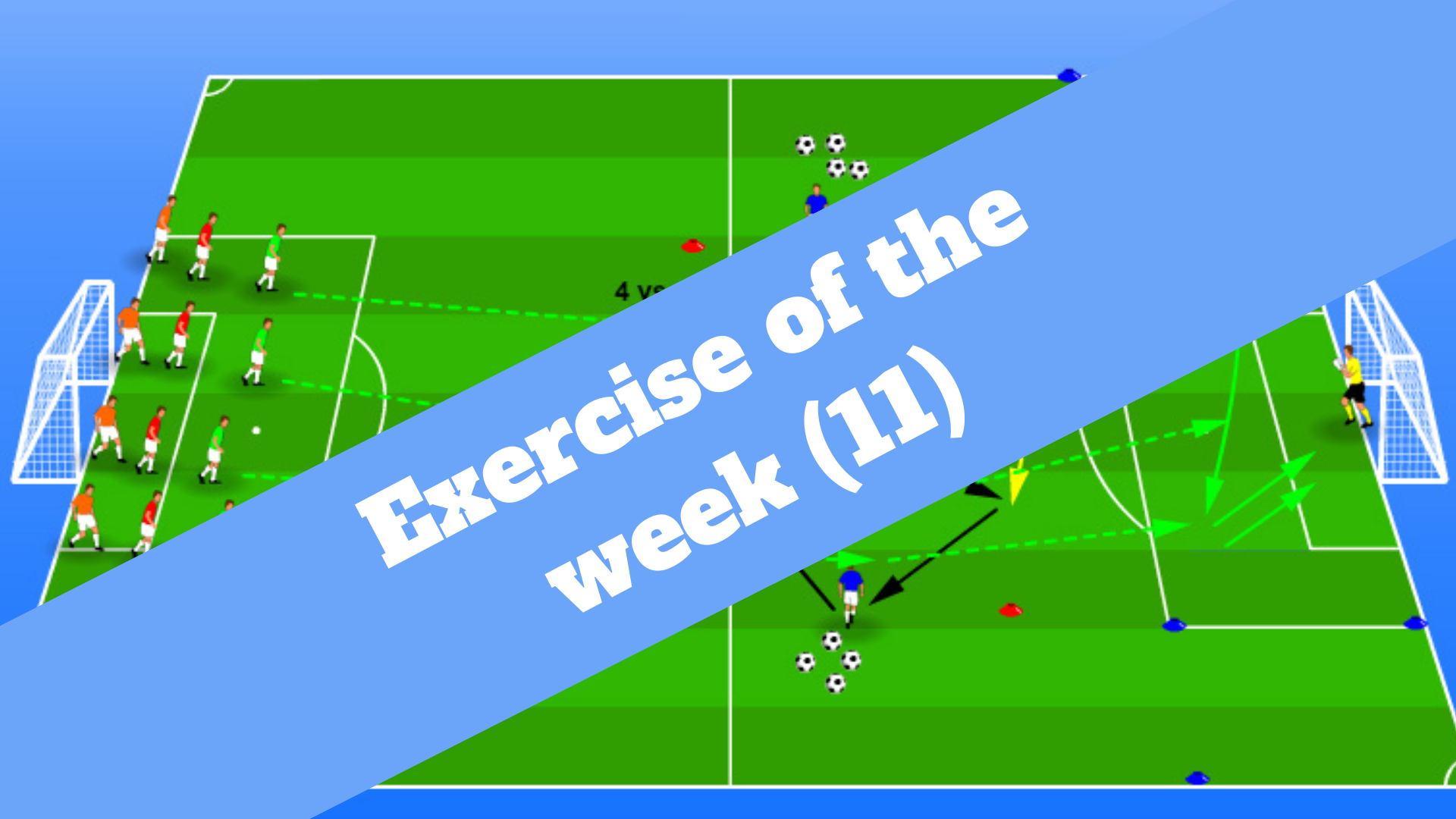
For this week, we have prepared a training exercise that can be used to achieve the following objectives: improving football-specific physical conditioning; developing the ability to maintain possession under pressure; training finishing with shots on goal. 👥 Organization The squad will be divided into four teams of 4 players each. Approximately 40 meters from the goal, a rectangular playing area will be created where 4 vs 4 + 1 possession...
Read more
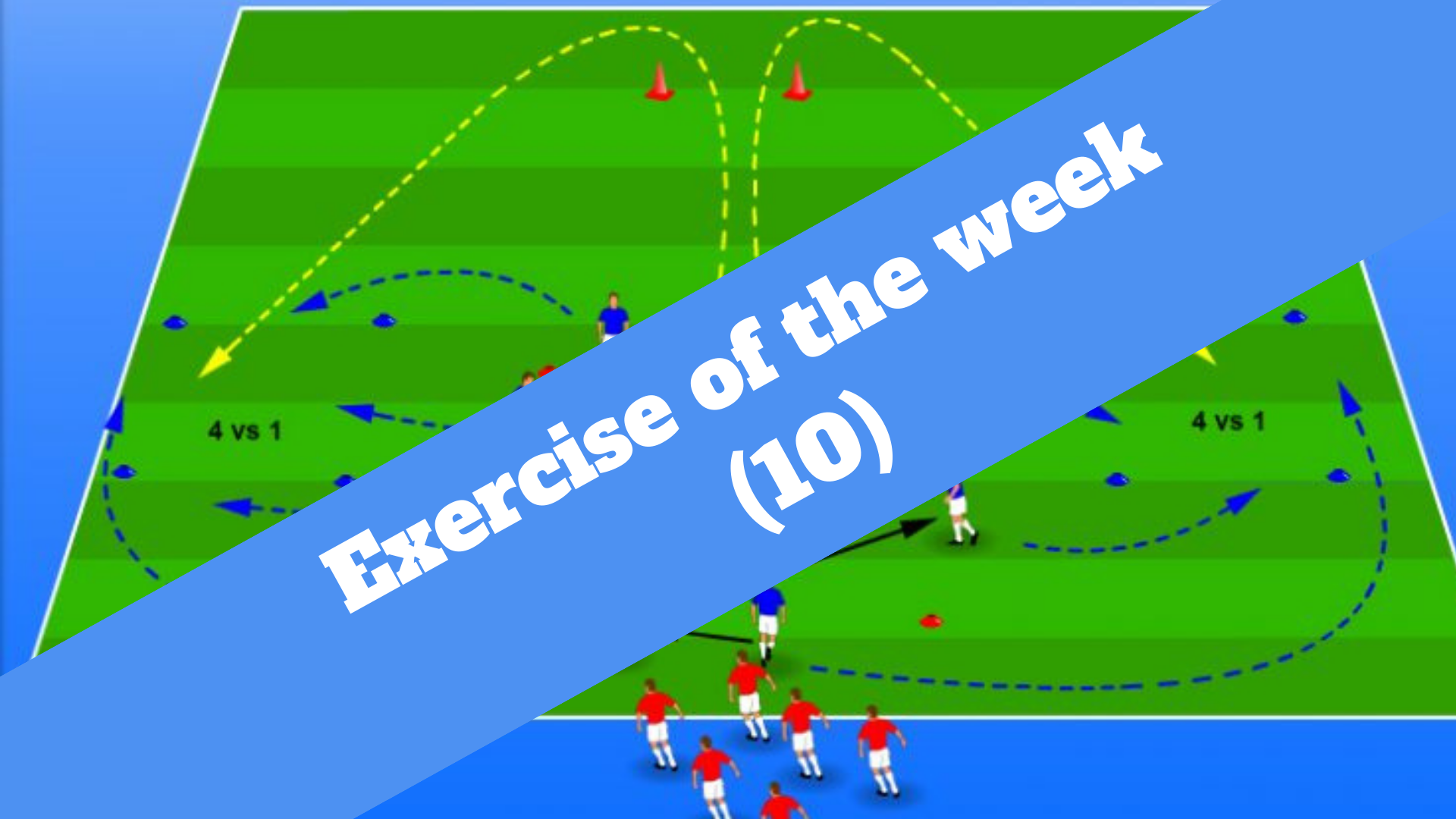
Below we present a training method that can be used to strengthen football-specific physical conditioning during training sessions. 🧩 Required equipment: cones; flat markers; footballs. 👥 Organization: The squad will be divided into two teams of 8 players each. In the central area, a playing zone will be created where an 8 vs 2 possession game will take place. At a distance of 25 meters from this central area,...
Read more

One of the most important responsibilities of a football coach is not only to develop players who execute well, but players who understand the game and make good decisions . Modern football belongs to players who think fast, not just those who run a lot. Game intelligence means the ability to observe, anticipate, and decide effectively. Here are 5 essential tips for football coaches who want to develop intelligent players: 1. Create exercises...
Read more
One of the biggest misconceptions about pressing is the idea that it must be applied constantly. In reality, effective pressing is not about running a lot, but about choosing the right moment. Well-organized teams do not press randomly—they react to clear triggers that are easy to recognize and trained in advance. This article explains when to press, where to press, and why, focusing on reading the moment, not on meaningless effort. 1. What...
Read more

For this week, we have prepared an exercise that can be used in the warm-up phase of the training session. The equipment is arranged as shown in the image. Each player A and D starts with a ball, and both players begin the exercise at the same time. Player A passes the ball to player B (1), then performs different running variations through the cones (I). Player B passes the ball to player C (2), then performs speed ladder exercises and joins...
Read more
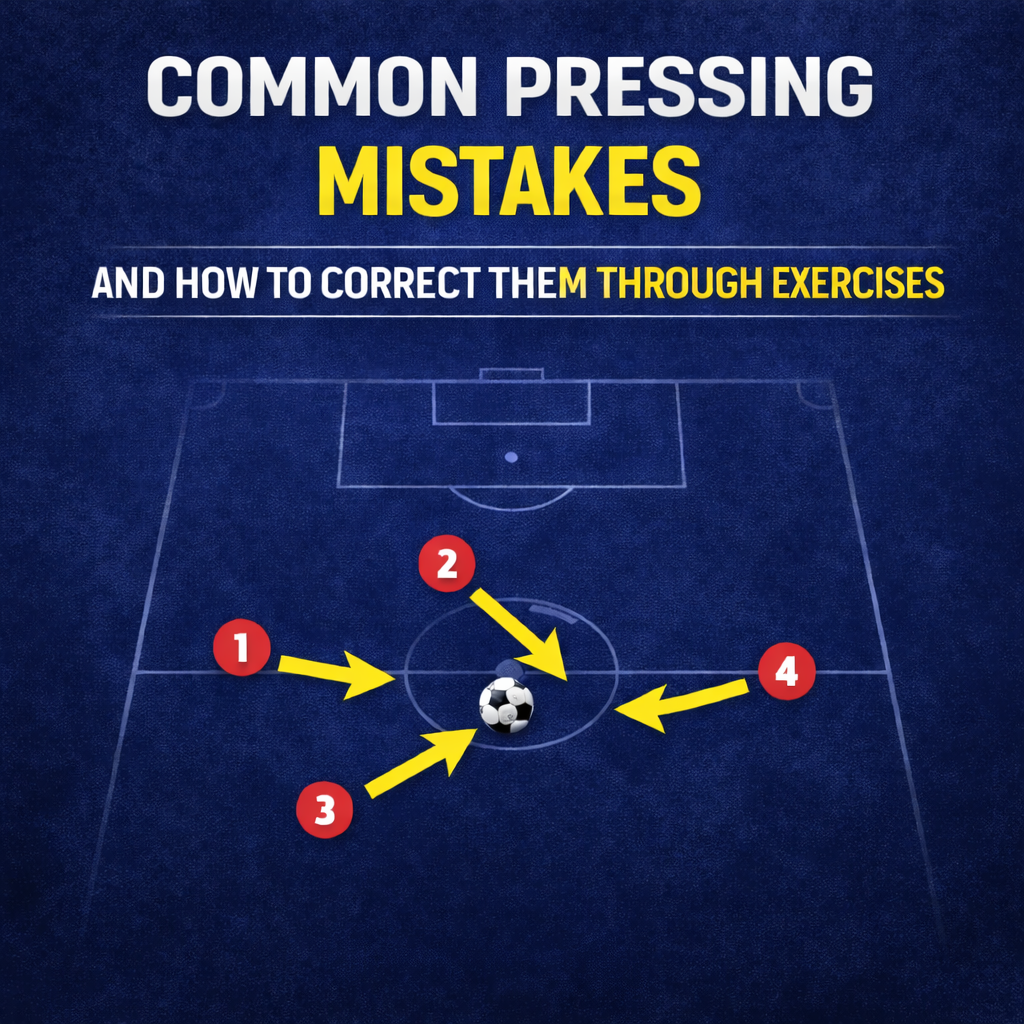
Pressing is one of the most effective defensive weapons when it is correctly understood and trained. The problem appears when pressing is reduced to running a lot, without clear rules, without support, and without connection with the rest of the team. In such cases, pressing not only does not help, but destroys the defensive organization. This article is 100% applied, designed for coaches, and makes the direct connection between mistake →...
Read more
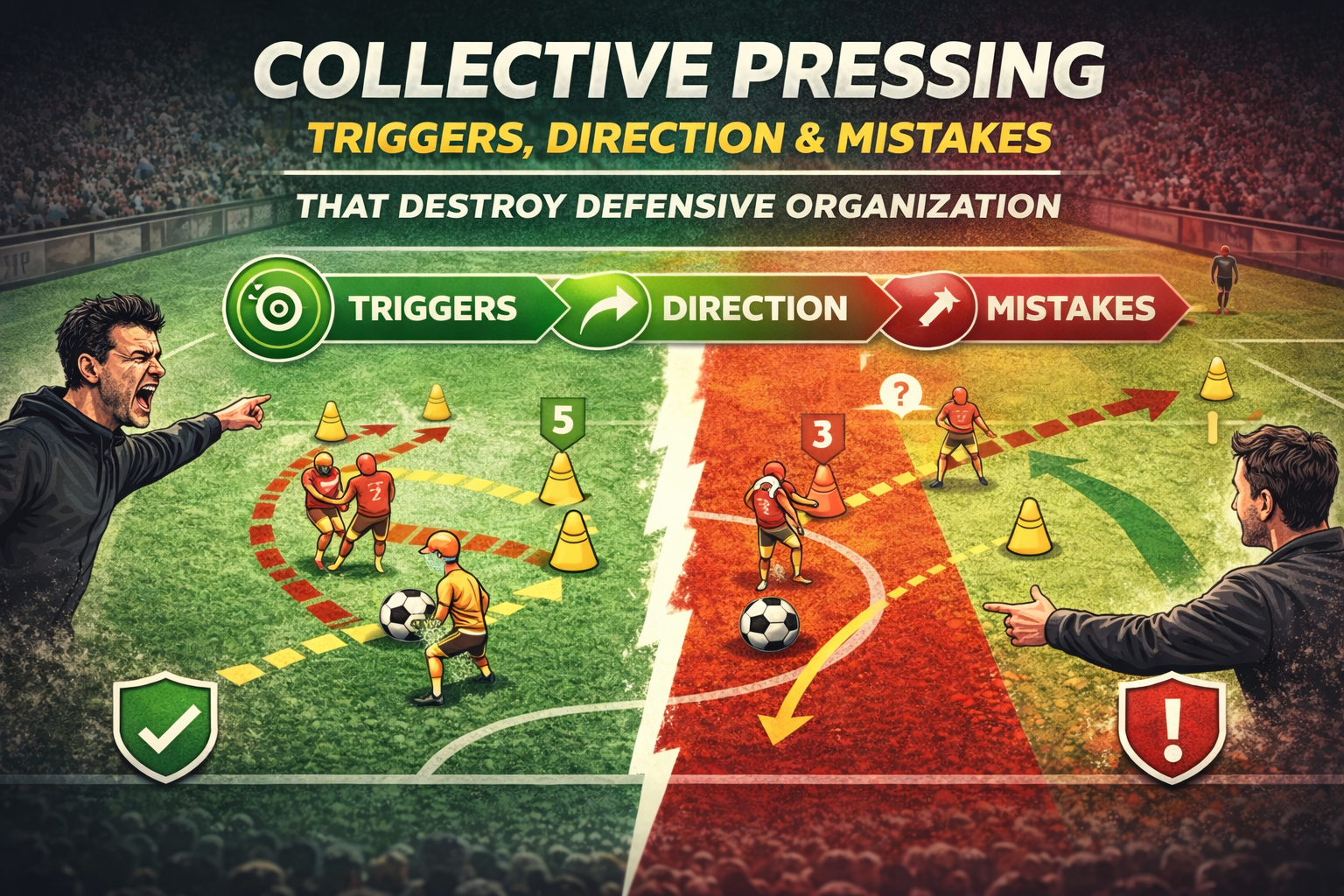
Pressing is one of the most misunderstood components of the defensive phase. Many confuse it with intensity, constant running, or individual aggression. In reality, collective pressing is an organized mechanism built on clear triggers, intelligent direction, and synchronization between players. This article explains when to press, who initiates the press, and how to avoid meaningless running that breaks defensive organization. 1. What is collective...
Read more
Categories
Customer Support Array
contact@enjoycoach.eu