
Blog
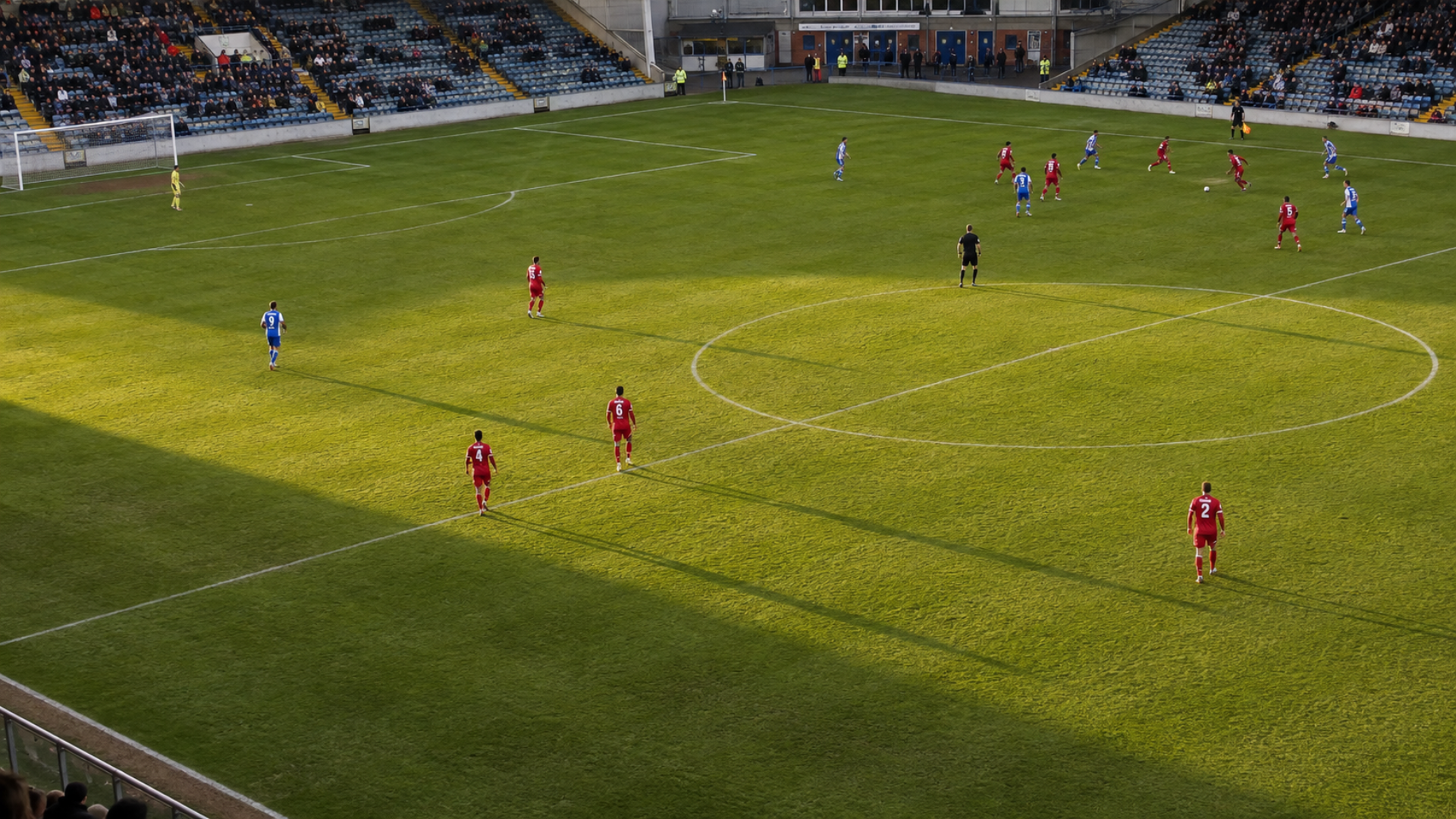
A team should not begin defending only after losing the ball. Its defensive organisation must be prepared during the attack through the positioning of the players who are not directly involved in the build-up or finishing phase. In modern football, attacking and defending are not completely separate phases. The way a team occupies the pitch in possession determines how vulnerable it will be when the ball is lost. The principle is simple: While...
Read more
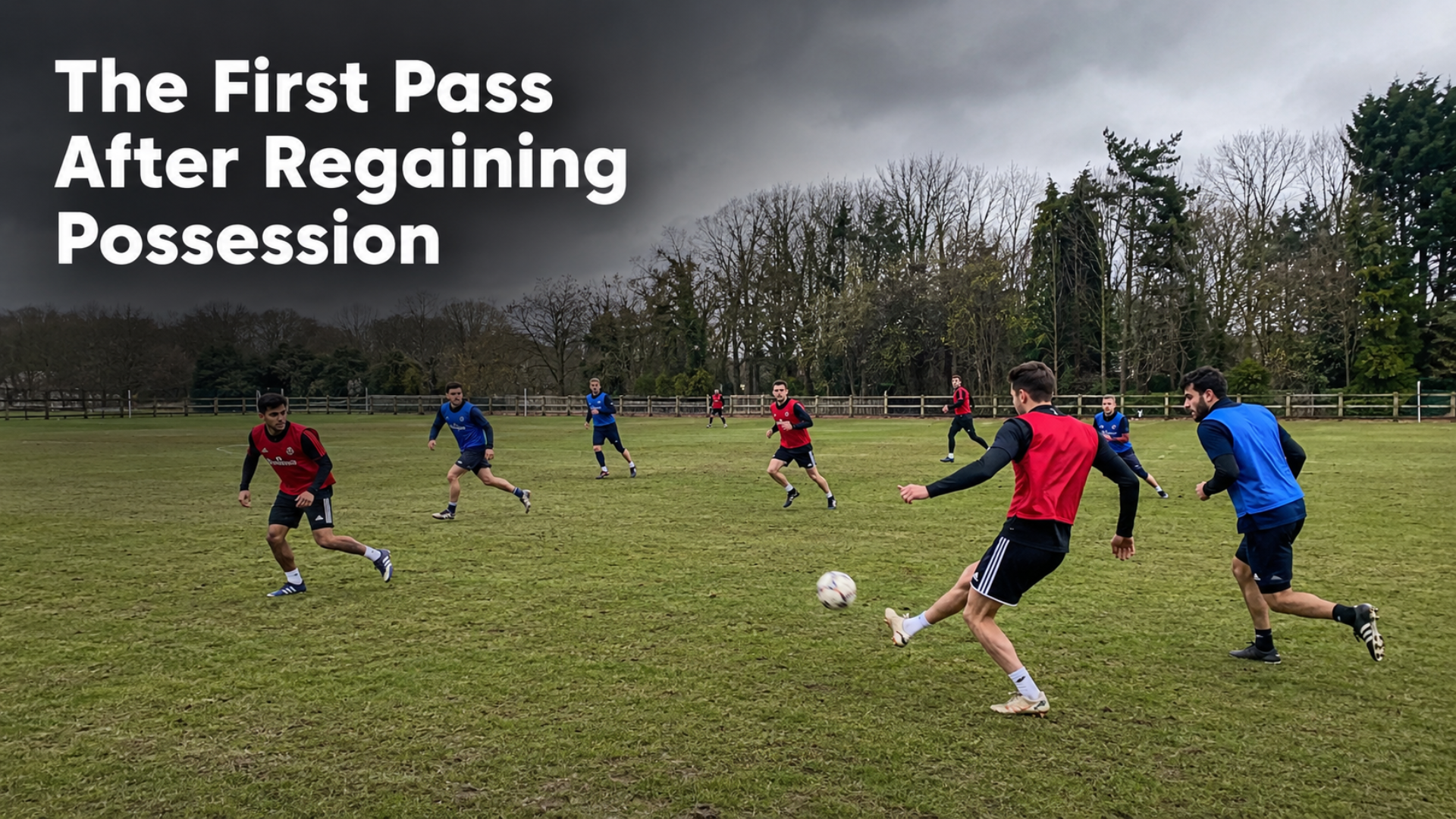
Regaining the ball does not automatically mean that the team has gained control of the situation. The first moments after recovery are decisive because the opposition is still disorganised, but the players who have won the ball may also be under immediate pressure. The first pass can transform the recovery into a dangerous attack—or cause the team to lose possession again immediately. The principle is simple: It is not enough to regain...
Read more
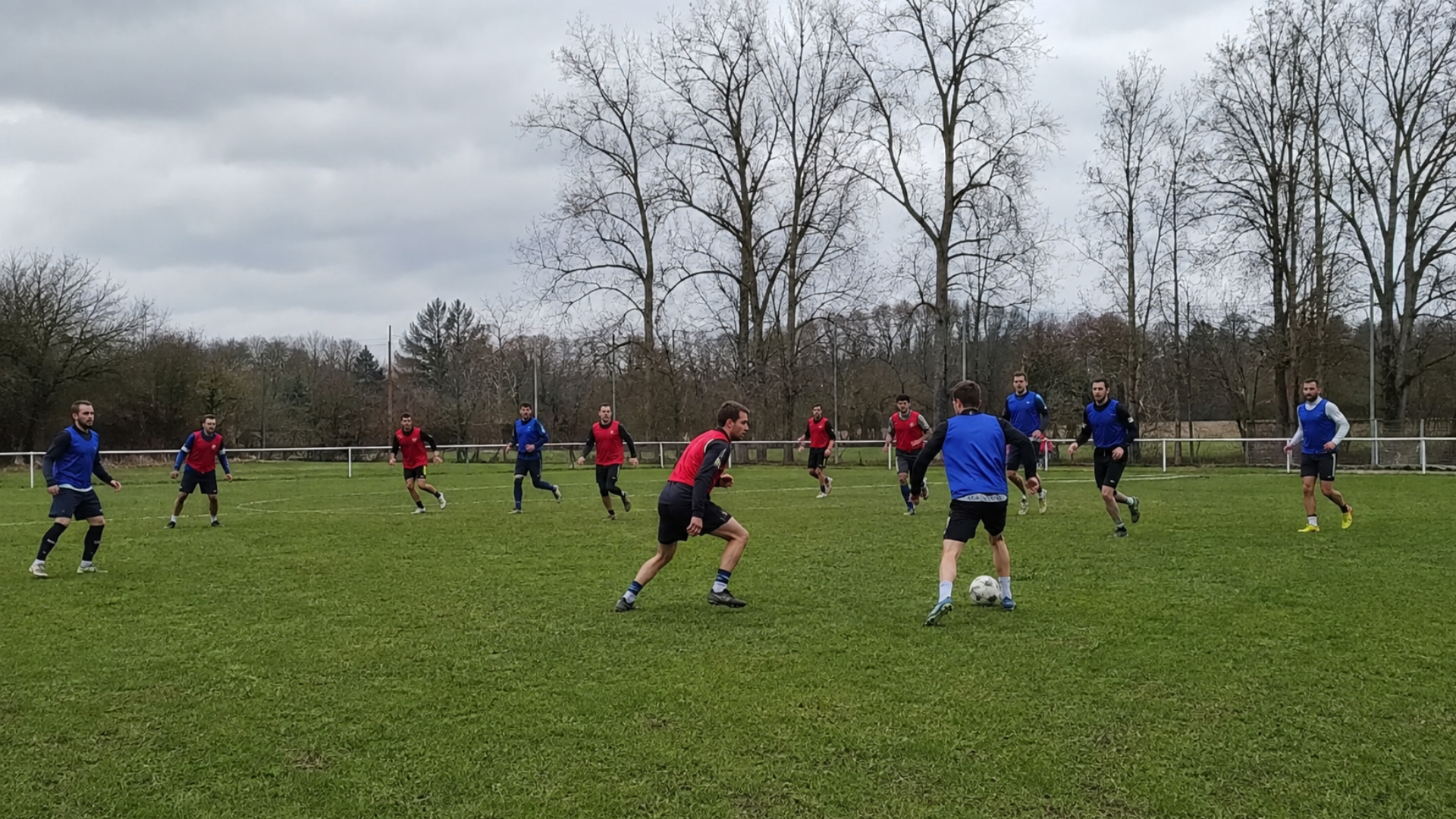
Pressing is often associated with intensity, aggression and covering large distances. However, a team can run a lot without pressing effectively. Real pressing is not simply about closing down the player in possession as quickly as possible. It is about controlling space, blocking passing options and coordinating the movements of the entire team. The principle is simple: We do not press to chase the ball. We press to control the opponent’s...
Read more

In youth football, success is often measured by results, league tables, trophies, and medals. But years later, many of these things will be forgotten. What can truly remain is the confidence a child develops through football . A child who learns to ask for the ball again after making a mistake, to try again after missing a chance, or to step onto the pitch without fearing criticism for every decision gains something far more valuable than a trophy....
Read more
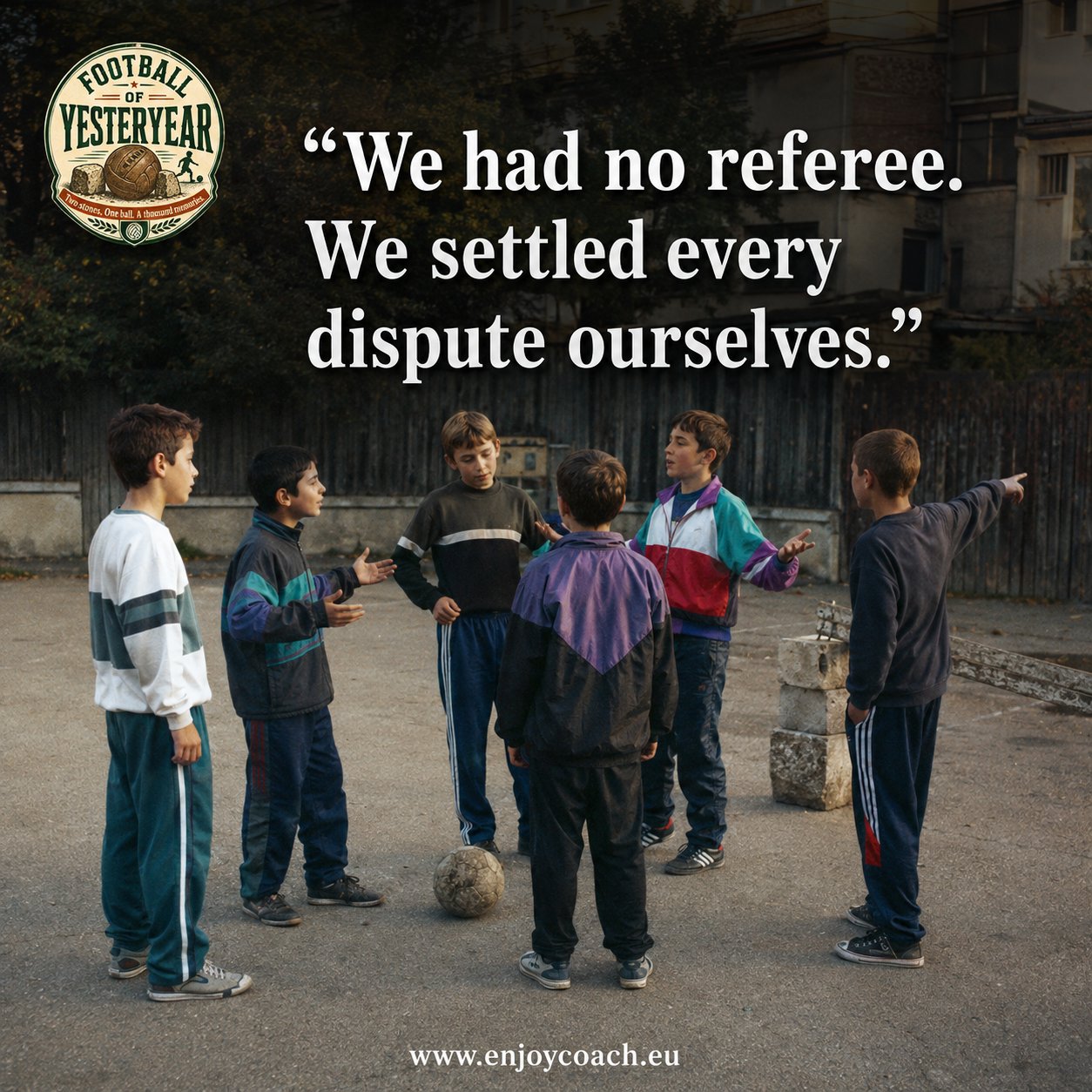
There were arguments about fouls, handballs, corners and whether the ball had crossed the imaginary goal line. Sometimes the discussion lasted longer than the action itself. But eventually, we found a solution—because everyone wanted the game to continue. Without adults making every decision, children learned to explain their point of view, listen to others, negotiate and accept compromises. They discovered that being right was not always...
Read more
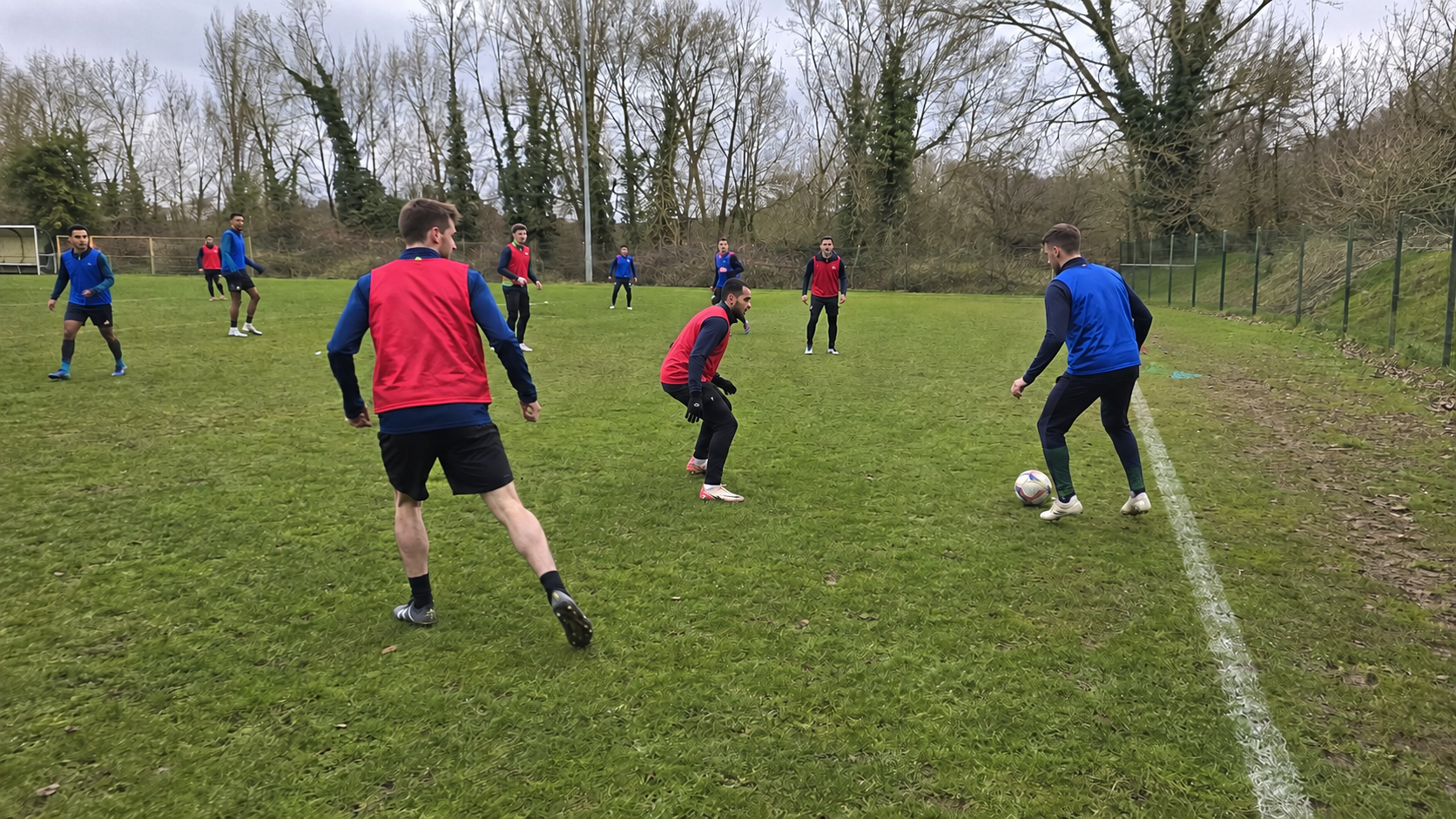
Wide areas are ideal for organising pressing traps because the touchline limits the ball carrier’s space and available options. However, a pressing trap is not simply about running aggressively towards an opponent. The team must guide the opposition wide and then collectively close the available solutions. The principle is simple: Invite the opponent towards the touchline and prepare to regain possession there. Why are wide areas effective?...
Read more
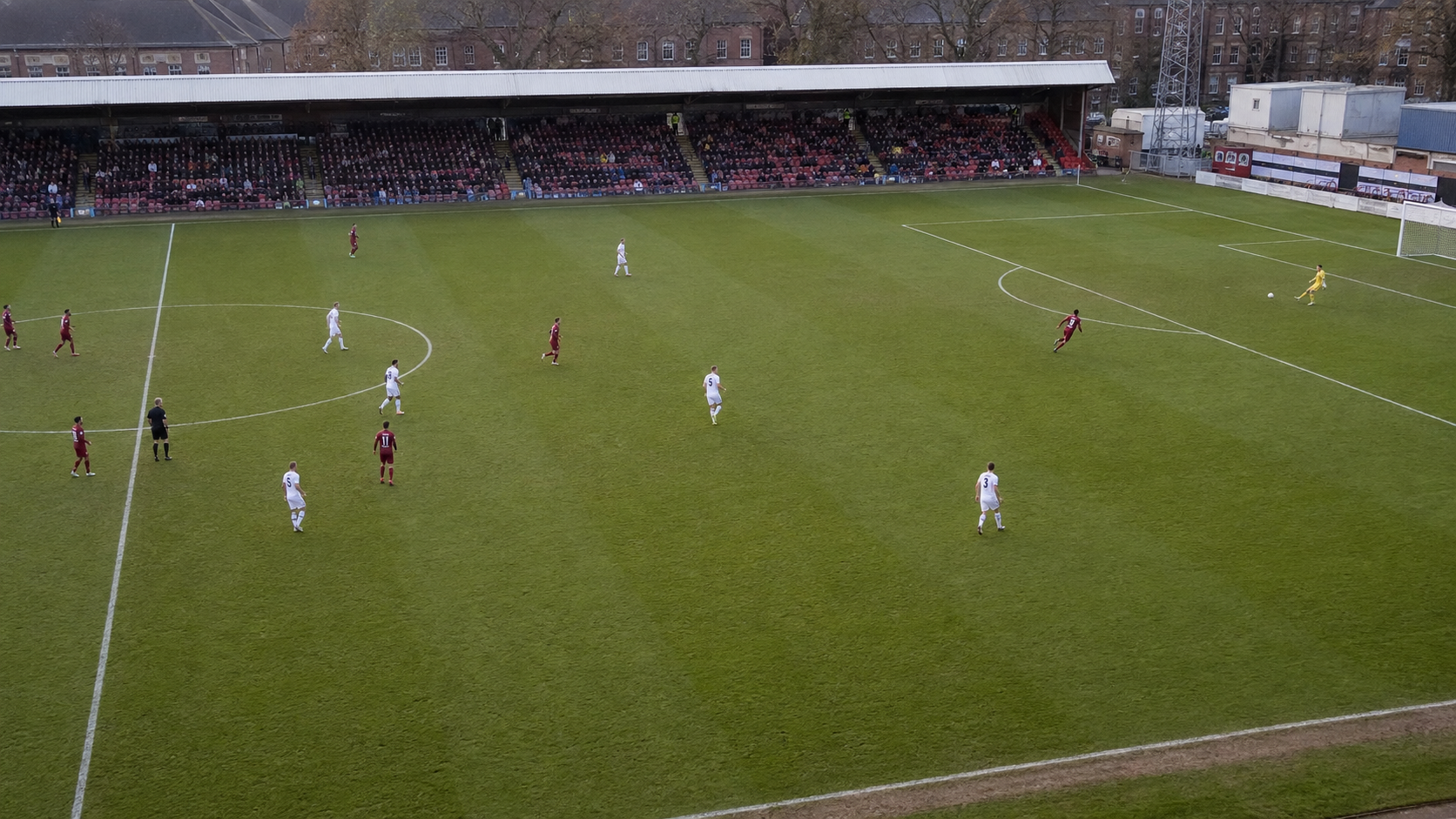
A back pass to the goalkeeper is an important pressing trigger, but the team’s reaction must be adapted to the length of the pass. A short pass from near the penalty area and a long pass from the halfway line create different tactical situations. The question is not simply whether the ball reaches the goalkeeper, but: How much time does the team have to advance, and which options can it close before the goalkeeper plays the ball? The short...
Read more
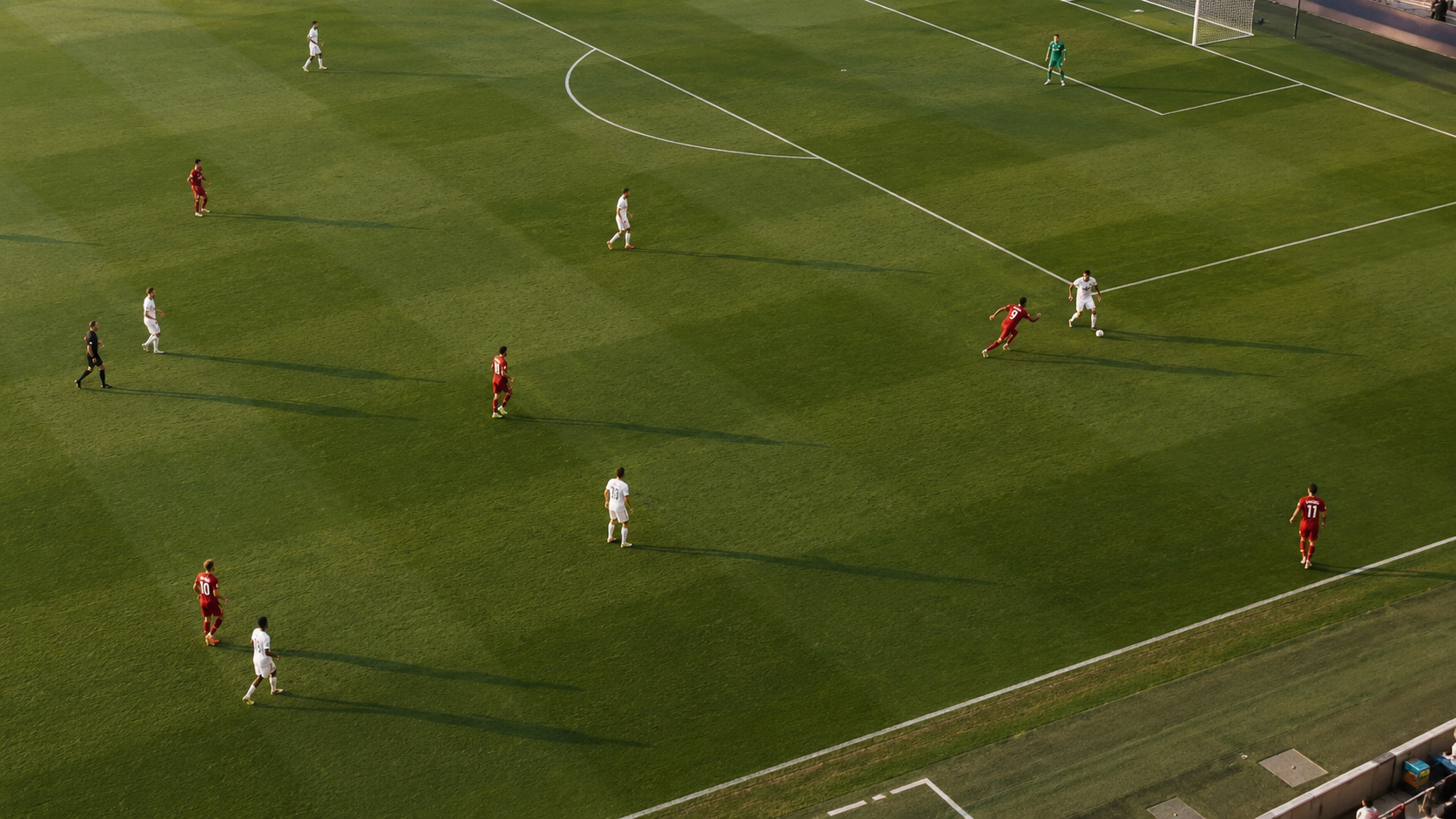
In a team’s pressing organisation, the striker is the first defender. Their role is not limited to running towards the defender in possession or trying to regain the ball individually. Their main responsibility is to establish the direction of the press and influence the opponent’s next decision. Through positioning, body orientation and the angle of approach, the striker can close certain passing options while intentionally leaving...
Read more
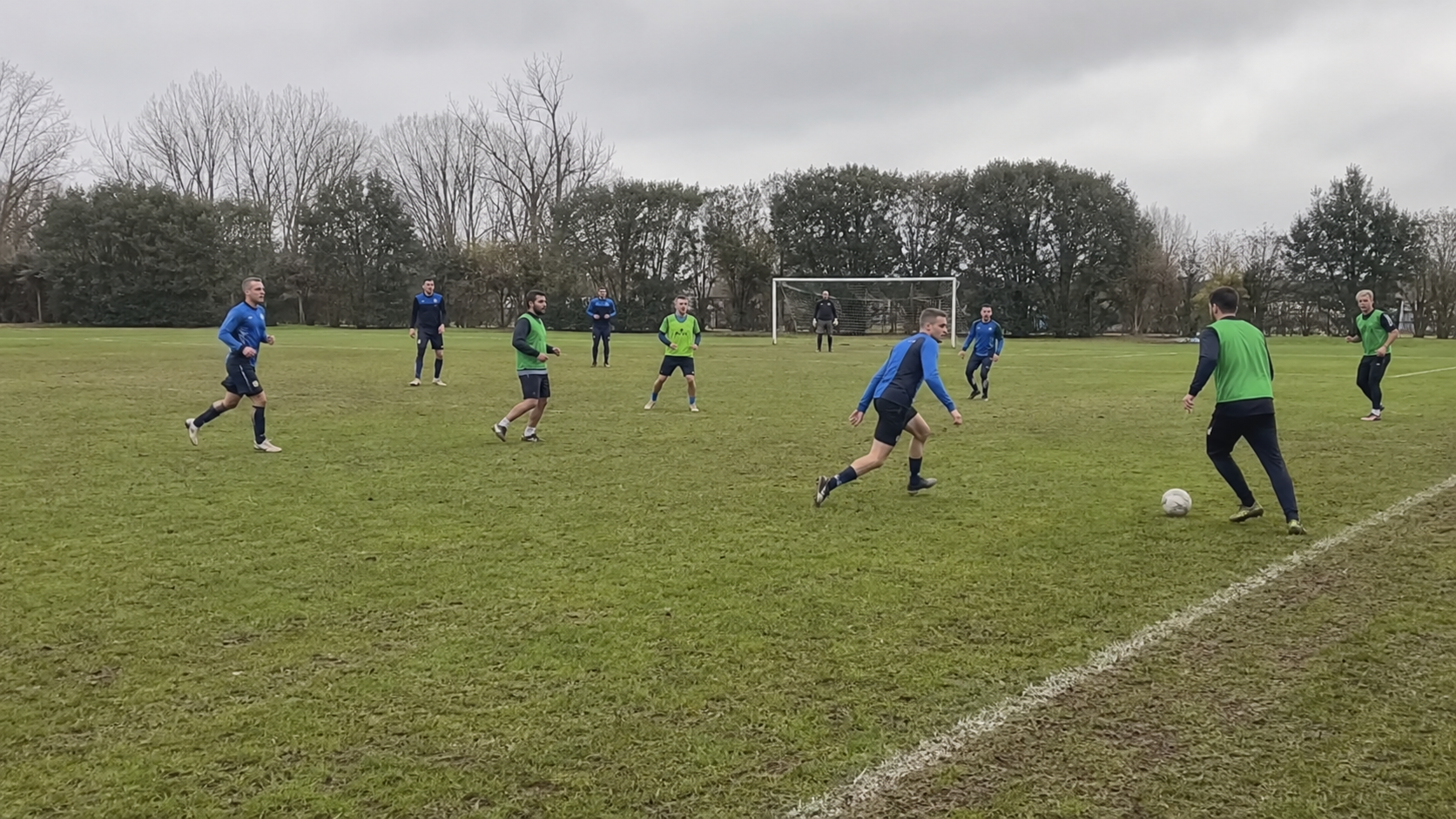
Effective pressing is not only about winning the ball back. Its first objective is to control the direction of the opponent’s build-up. A team that presses intelligently does not simply chase the ball. It takes away certain options while intentionally leaving open the route towards the area where it wants to regain possession. The idea is simple: we do not wait to see where the opponent will play the ball; we encourage them to play into the area...
Read more
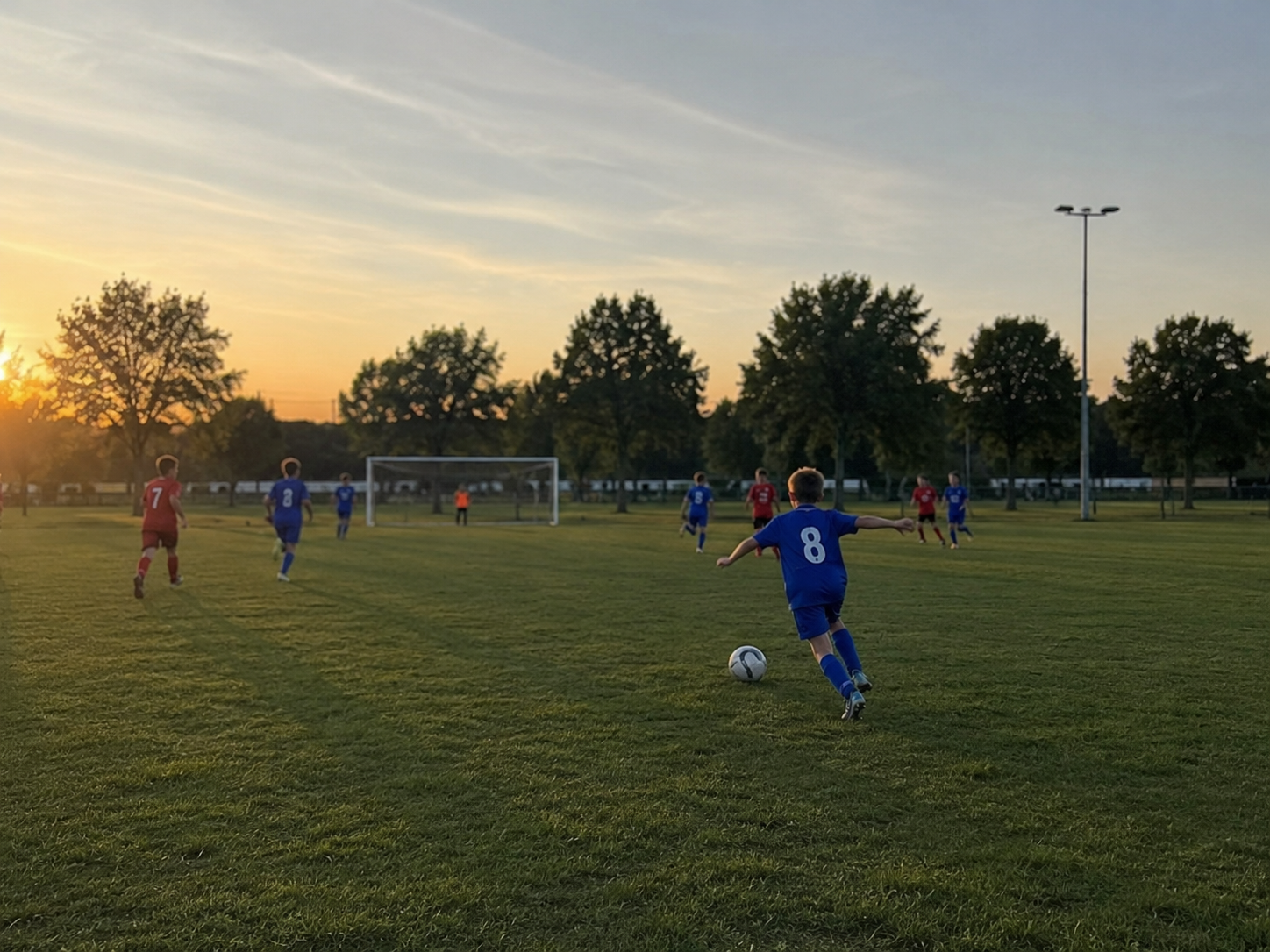
There is a paradox in youth football that many adults witness, yet few truly understand. We want players who are intelligent, creative, and capable of making good decisions under pressure. At the same time, however, we try to eliminate mistakes from their game. We correct every error immediately, encourage them to play safe, and praise them for avoiding risks that might lead to losing possession. But how can a child learn to make good decisions...
Read more
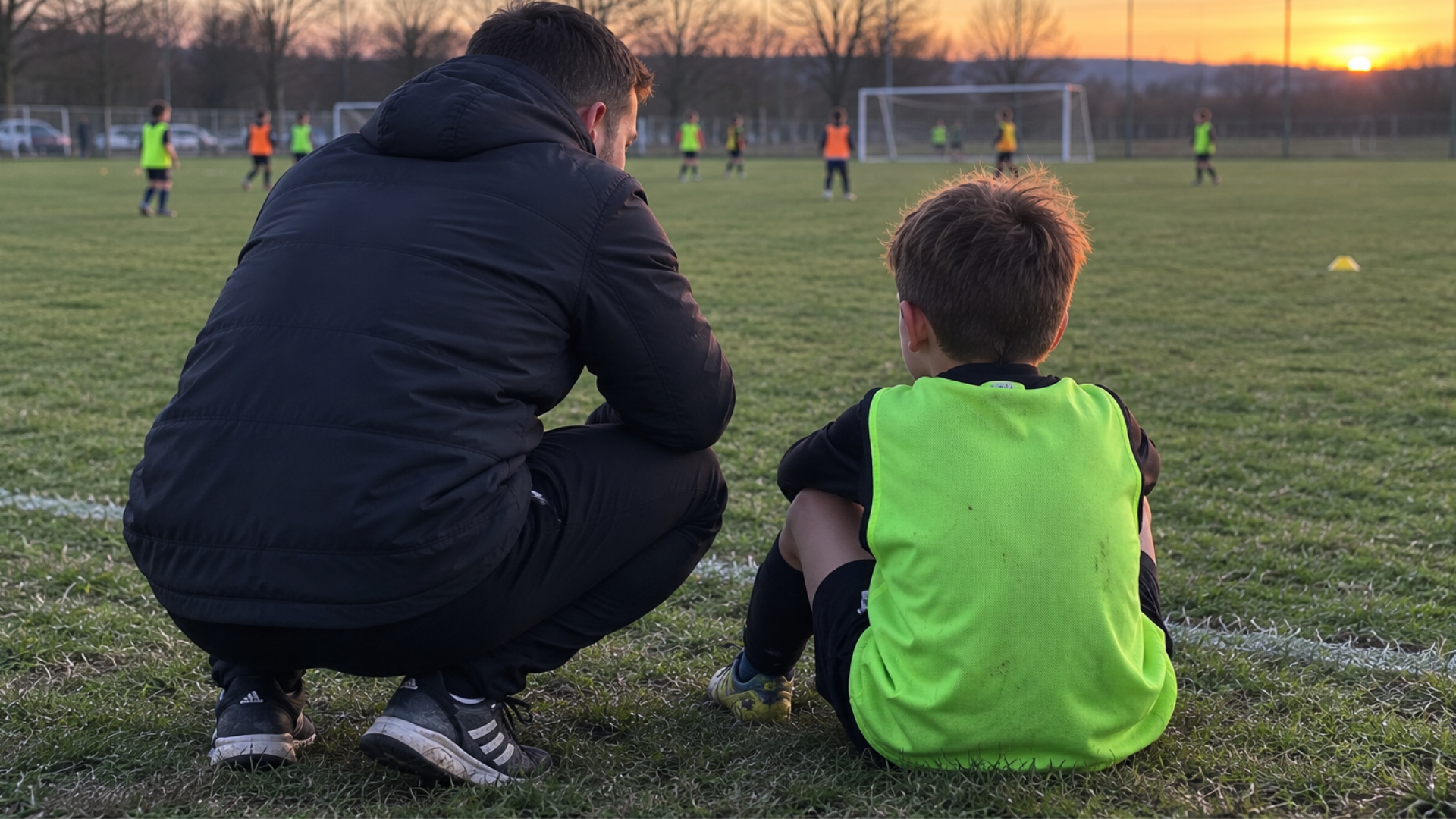
In youth football, children are often judged far too early. "He's very talented." "She's not good enough." "He'll never become a footballer." Opinions like these are sometimes formed after just a few training sessions or matches, even though a child's development takes years, not weeks. The reality is that every child develops at their own pace. Some mature physically earlier, others develop their understanding of the game later,...
Read more
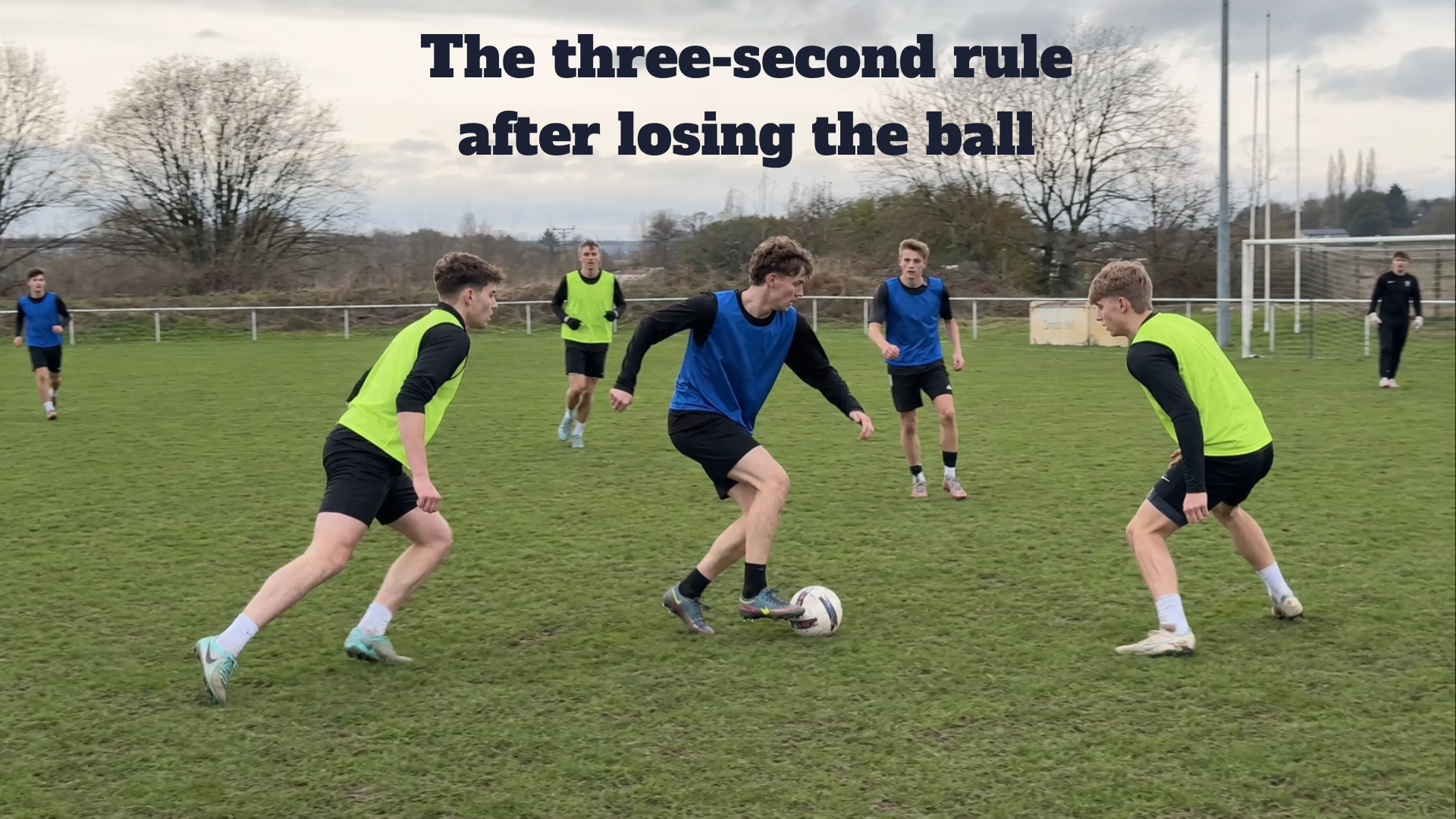
Losing the ball does not represent the end of an attack, but the beginning of a new collective action. The first few seconds are decisive because the opponent who has just regained possession is not yet organised offensively, while the player on the ball may have only a few passing options available. The three-second rule requires the team to react immediately after losing possession. During this short period, the players closest to the ball must...
Read more
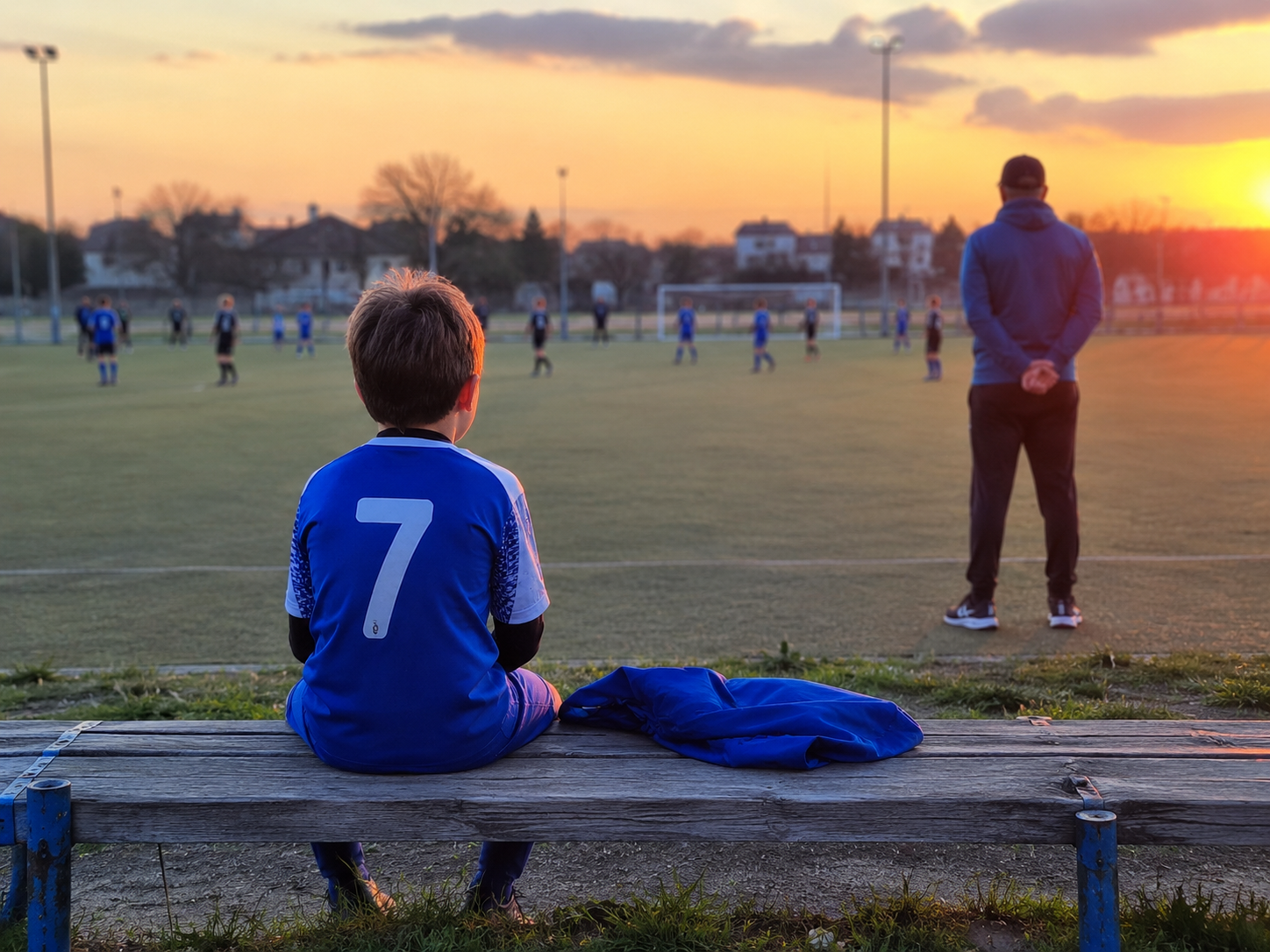
There is a question that every youth coach should ask themselves from time to time. Why are we really here? Is our job to produce professional footballers? Or is it something much bigger than that? Spend enough years around youth football and one truth becomes impossible to ignore. Thousands of children begin their football journey every season, dreaming of packed stadiums, famous clubs, and wearing their country's shirt. They arrive...
Read more
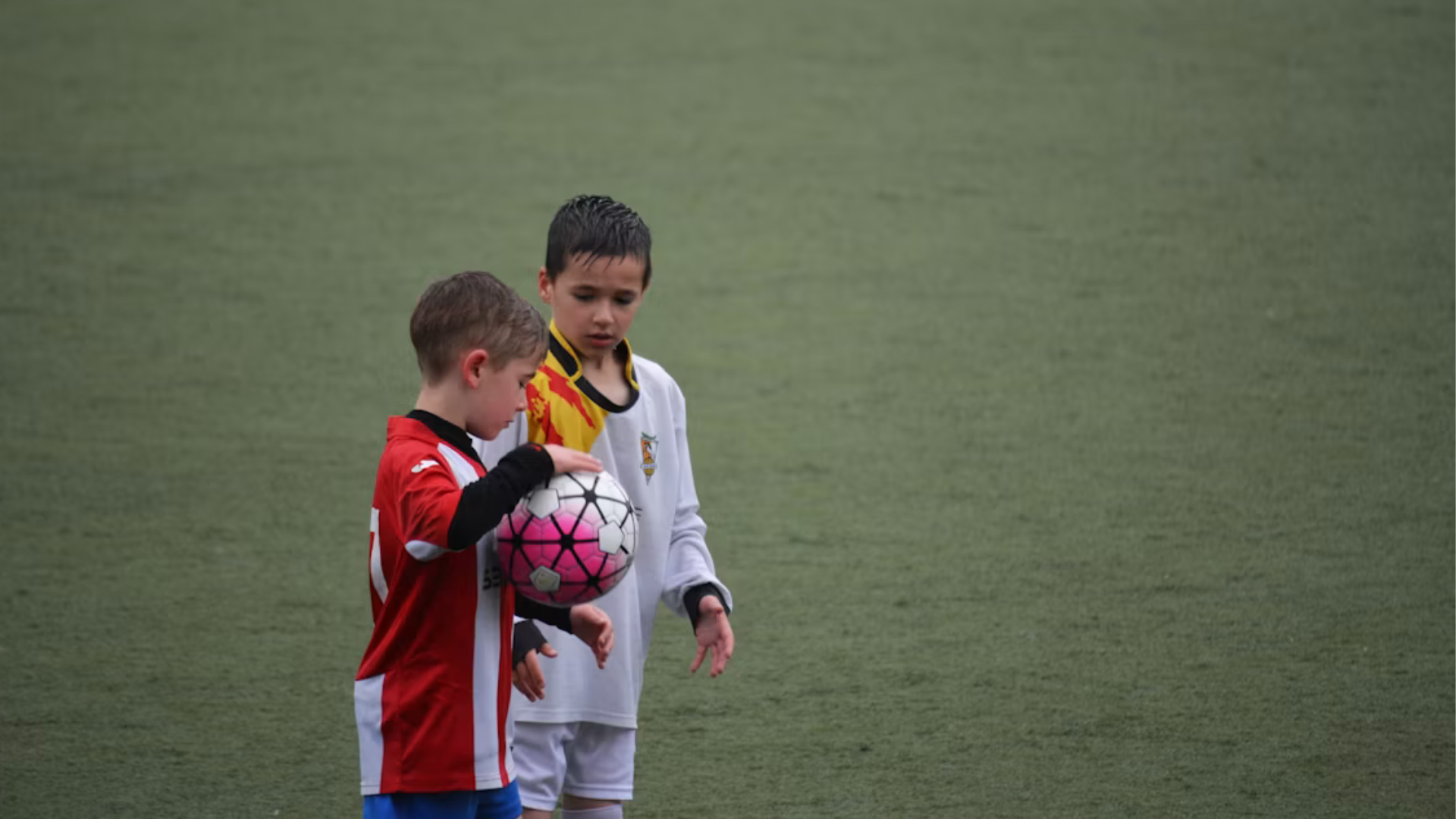
Every Saturday morning, the same scene unfolds on football pitches around the world. Parents stand along the touchline. Coaches deliver their final instructions. Young players step onto the field full of excitement, hope, and anticipation. Ninety minutes later, one team celebrates while the other walks away disappointed. For many adults, that's where the story ends. One team won. The other lost. But in youth football, the final whistle...
Read more

When football stops feeling like joy On a cold autumn afternoon, at the end of a youth football match, a boy walked slowly off the field with his head down and mud on his boots. He wasn’t crying. He didn’t even look particularly upset. Just quiet. The kind of quiet adults rarely notice, because they are too busy talking about the score, the missed chances, the referee, or what should have been done differently. Near the touchline,...
Read more
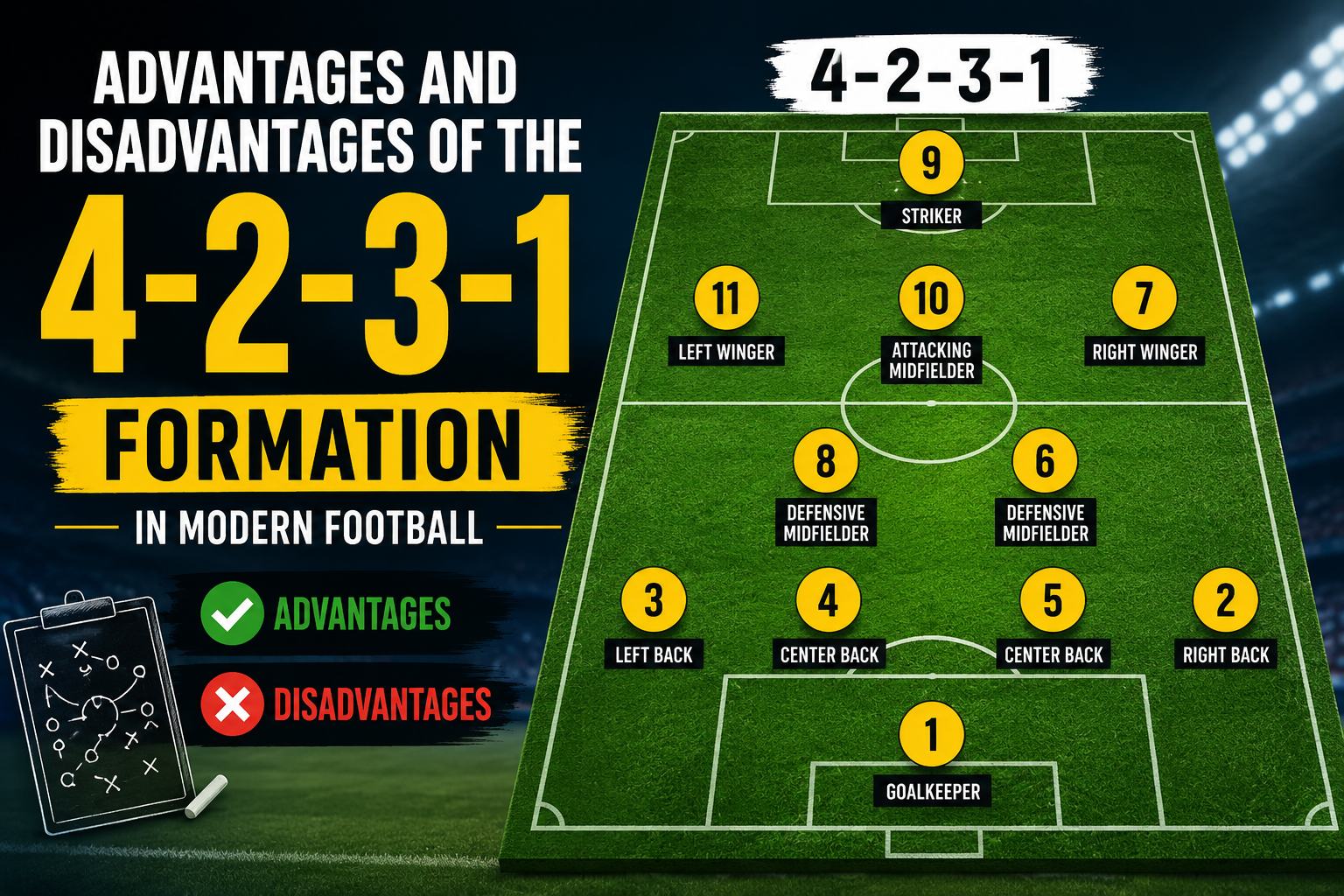
The 4-2-3-1 formation is one of the most widely used tactical systems in modern football. From elite-level teams to youth academies, many coaches choose this structure because of the balance it provides between attacking and defensive phases of the game. Its popularity comes from its flexibility. The system allows teams to build attacks effectively, control central areas, and quickly adapt to different moments of the match. However, like any tactical...
Read more
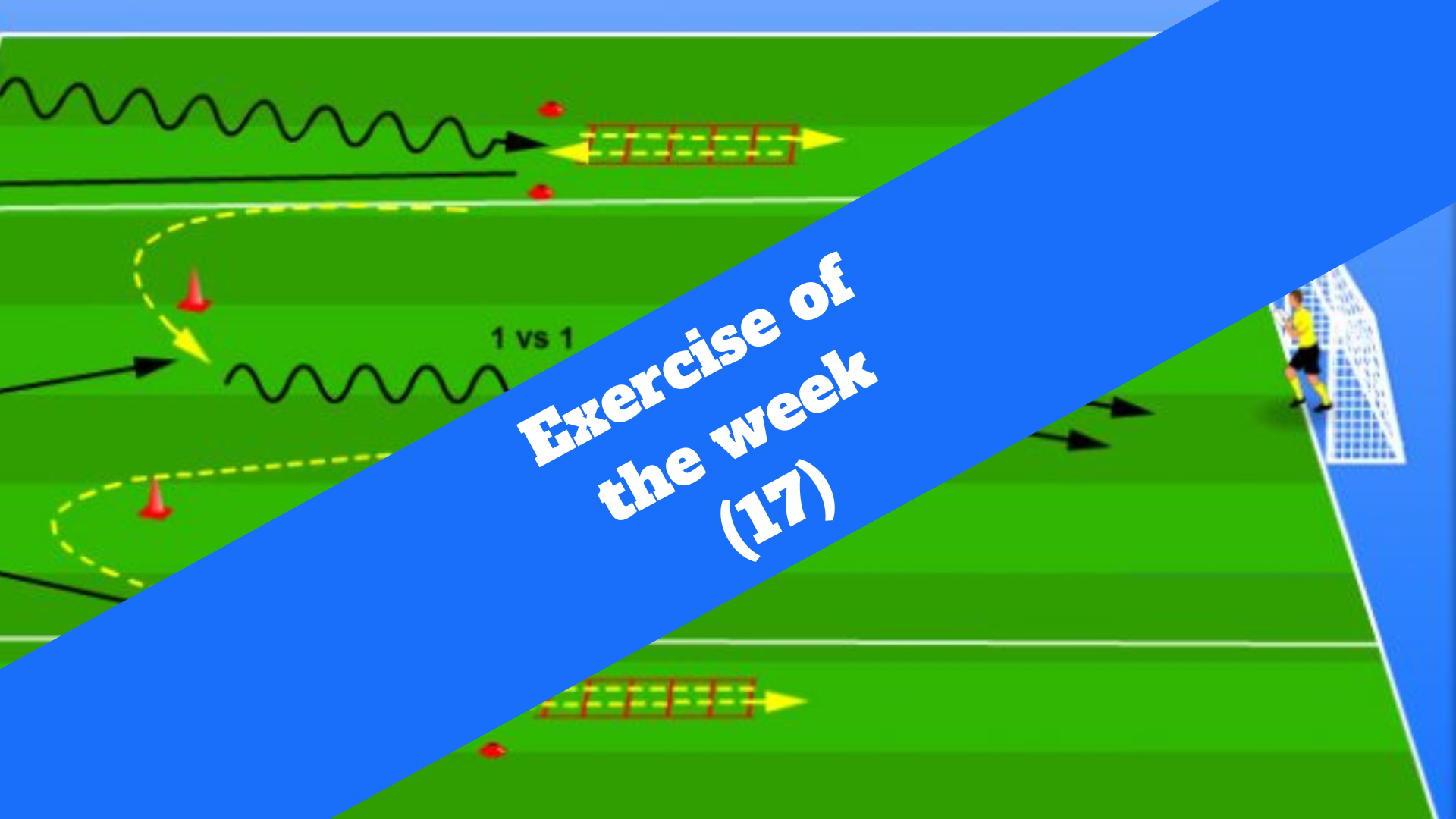
1v1 Duel Drill – Reaction, Speed & Finishing For this week, we have prepared a dynamic training drill focused on 1v1 duels, with an emphasis on reaction speed, quick role changes, and finishing in game-realistic situations. The exercise combines coordination, speed, and competitiveness, developing both attacking behavior and immediate defensive reaction after losing possession. Objective: improve 1v1 attacking and defending duels; develop...
Read more
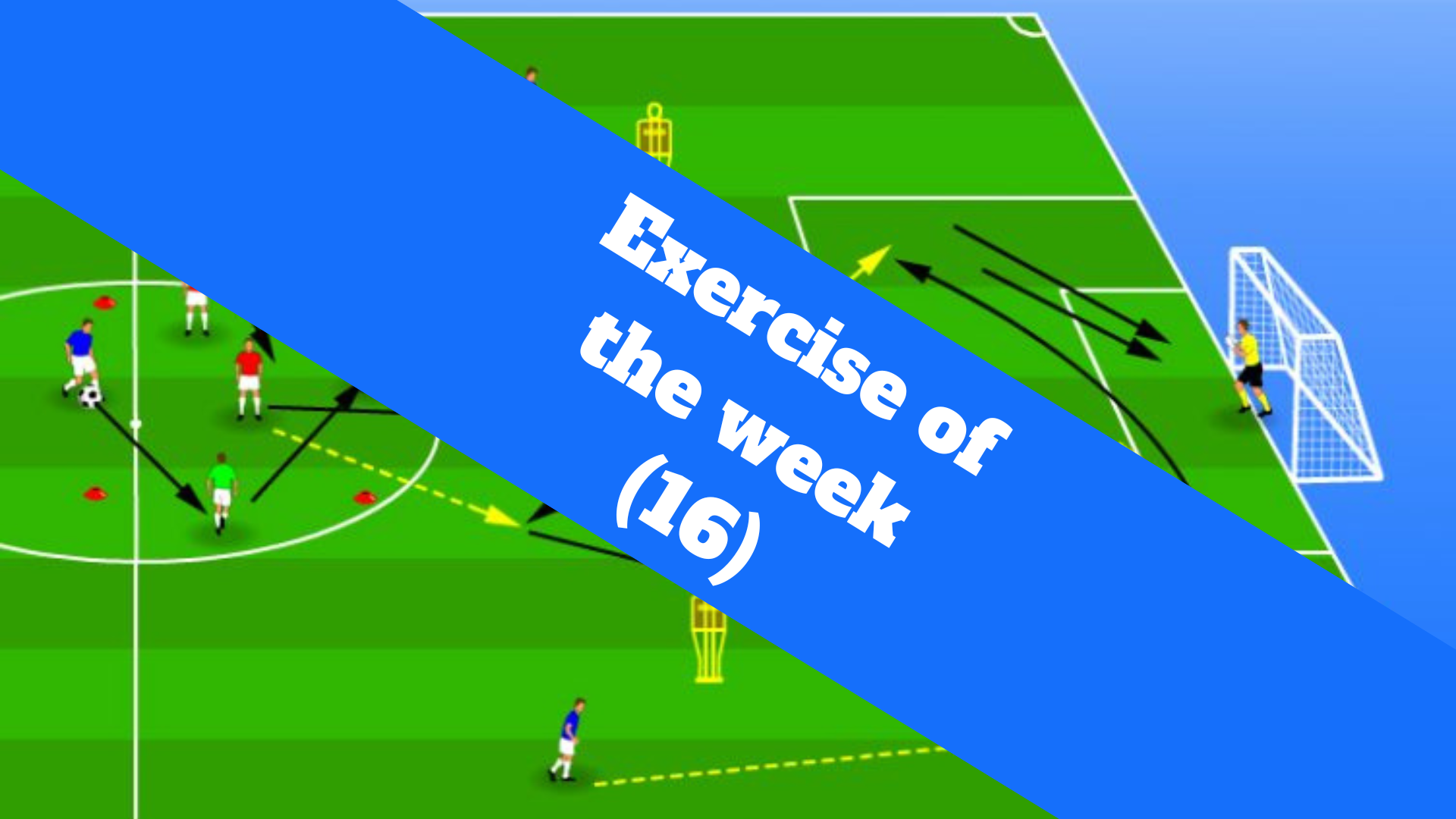
Possession Drill + Striker Combination + Crossing & Finishing 🎯 Objective: improve possession under pressure; develop play through the striker; train wide combinations, crossing and finishing. 🧩 Required Equipment: footballs; flat markers (cones); slalom poles. 👥 Players: 6 players in the possession area. 3 attacking players near the goal: 1 central striker; 1 right midfielder; 1 left...
Read more
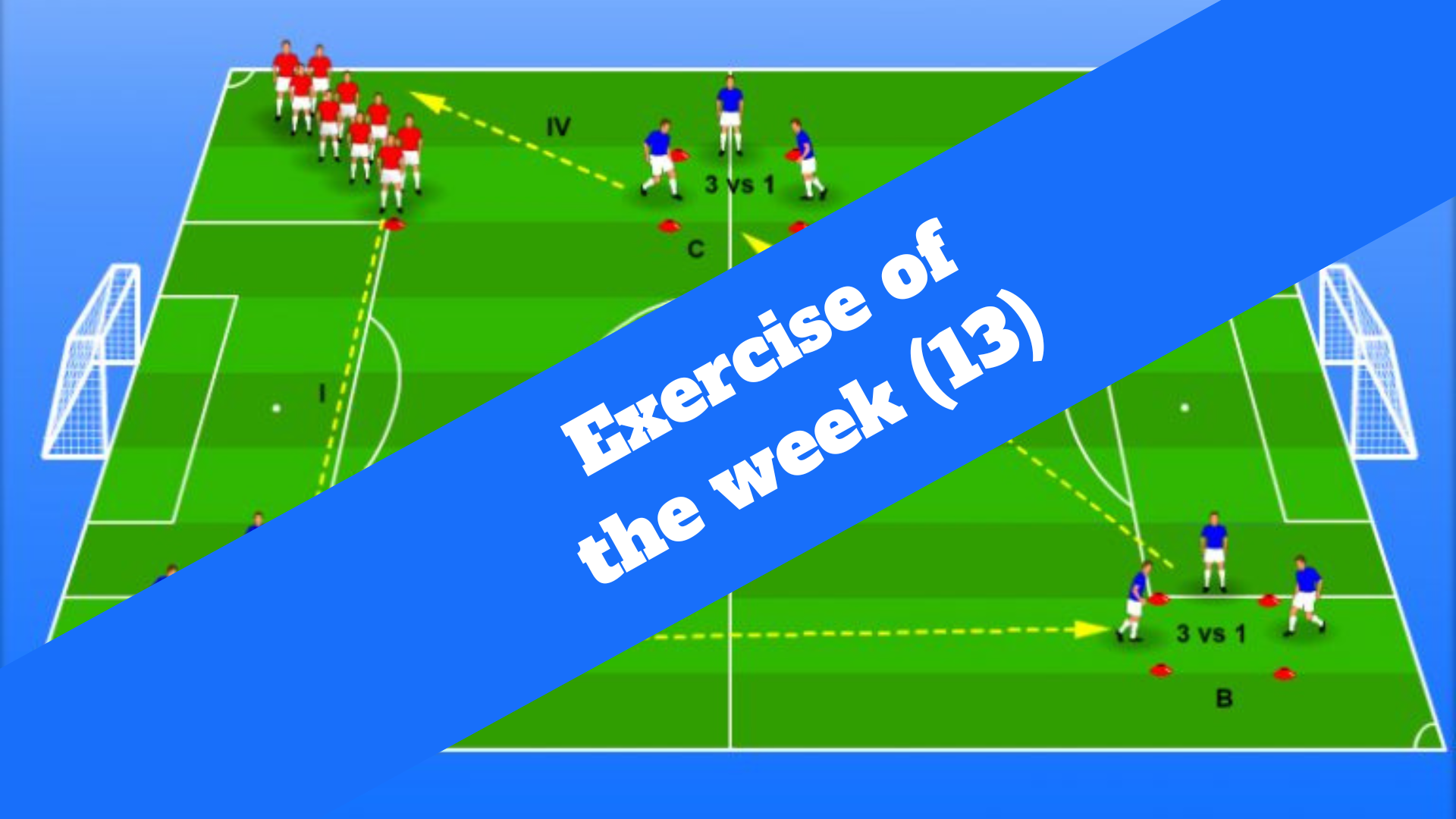
For this week, we have prepared a drill that can be used in the training process to improve football-specific physical conditioning . 🧩 Required equipment: flat markers footballs ✅ Exercise description: Three playing areas will be created, with dimensions identical to those shown in the diagram above. The ideal number of players for this drill is 18 . The squad will be divided into two teams . In each of the three...
Read more
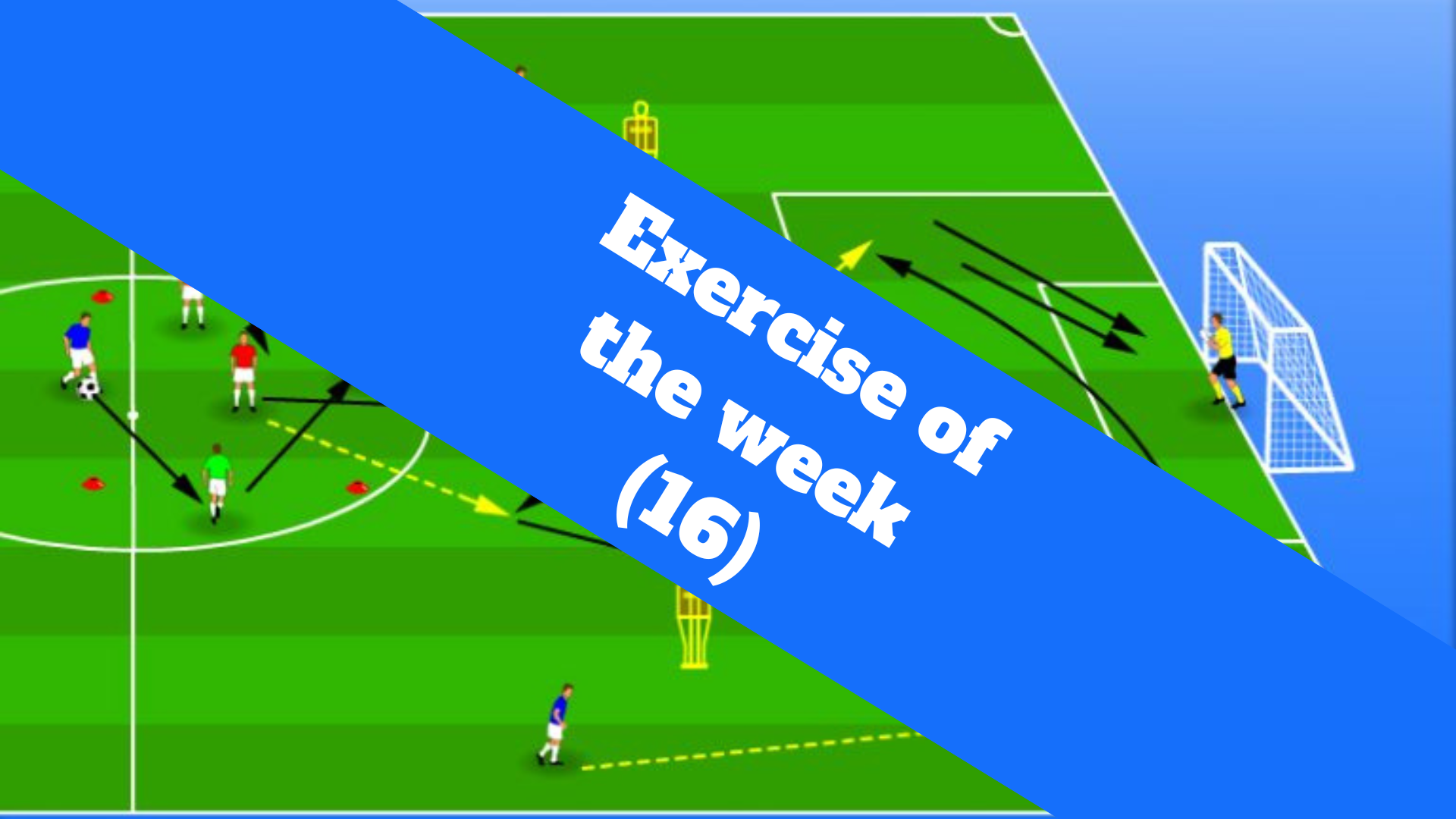
For this week, we have prepared a drill that can be used in the warm-up phase of the training session . Required equipment: cones flat markers two speed ladders two small goals Exercise description: The equipment is set up as shown in the diagram above. The first players A each start with a ball and begin the exercise at the same time . Players A dribble the ball toward the middle cone (1). Once they reach the cone,...
Read more
Categories
Customer Support Array
contact@enjoycoach.eu